






 ₹https://clinics.flexifyme.com/flexifyme/-in-mumbai/-in-goregaon-east/flexifyme-advanced-physiotherapy-clinic-in-goregaon-east-mumbai--e407IM/articles/the-7-fastest-way-to-sciatica-pain-relief--26f72778-bbbe-405c-8114-9a42368da401
FlexifyMe Advanced Physiotherapy Clinic, Goregaon East, mumbai
Physiotherapy Clinic in Goregaon East, Mumbai, Maharashtra
Building No 17, First Floor, Onkar CHS Ltd, A Wing, Dindoshi, Gokuldham Colony, Opposite Oberoi Mall, Goregaon East, mumbai, maharashtra - 400097
Request A Call Back
FlexifyMe Advanced Physiotherapy Clinic Social Feeds in Goregaon East, mumbai

The 7 Fastest Way to Sciatica Pain Relief
Sciatica Pain Relief Sciatica is a very common and disabling pain syndrome affecting millions of people across the world. The pain usually originates in the lower back and radiates to the legs. Patients may experience numbness to severe pain and tingling sensations. Sciatica is caused by irritation or compression of the longest nerve in the body-sciatic nerve.
When discussing fast sciatica pain remedies, sciatica ranges in complexity and duration from person to person. Some recover from sciatic pain in a day or two while others go for weeks and months without relief. The treatment modalities are as simple as changing your mundane lifestyle to exercise and medication, perhaps very rarely with surgery.
Do you know what is the fastest way to relieve sciatica pain? Here are a few remedies that will give instant relief from sciatic pain enhancing your quality of life and well-being.
What Is Sciatica Pain?
Sciatica pain is discomfort along the sciatic nerve from the lower back down, through the legs. It occurs as a consequence of some interference with the nerve, such as a spur from a herniated disc, spinal stenosis, piriformis syndrome, or degenerative disc disease.
You should consult a doctor if symptoms remain or worsen, such as weakness or loss of bladder control in severe cases.
Sciatica and Its Symptoms

Irritation or compression of the sciatic nerve gives rise to the condition termed sciatica. Symptoms vary depending on the underlying cause, including pain, numbness, weakness, and radiating pain.
- Pain: Although sciatica may frequently start in either the lower back or one side of the body, it’s not uncommon for it to transform into a moderate, severe, sharp, dull pain.
- Tingling or numbness: Patients with sciatica may experience numbness or tingling, along the leg and possibly into the foot, with its unique name representing “pins and needles.”
- Weakness: Muscular weakness in the leg affected by sciatica may render walking and standing difficult.
- Radiating pain: Similarly, this might manifest as pain that extends from the lower back, through the buttocks, to the back or side of the thigh, possibly even stopping at the foot.
The Fastest Way to Sciatica Pain Relief
Knowing exactly what causes sciatica provides insight into the fastest way to relieve the pain. It can range from simple home remedies to more complicated medical means.
1. Cold and Heat Therapy
The fastest option for sciatica relief is the simple amalgamation of cold and heat therapy. Cold therapy reduces inflammation and heat therapy promotes circulation.
- Cold therapy: Applying an ice pack or ice wrapped in cloth on the lower back can soothe inflammation and instantly relieve pain by numbing the area. Cold therapy may be conducted for 15 to 20 minutes every hour during the first 48 hours from the onset of pain.

- Heat Therapy: Once the inflammation subsides, heat will promote the onset of blood flow and relax muscle tension around the sciatic nerve. A heating pad or warm pack should be applied for 15 to 20 minutes, several times daily.
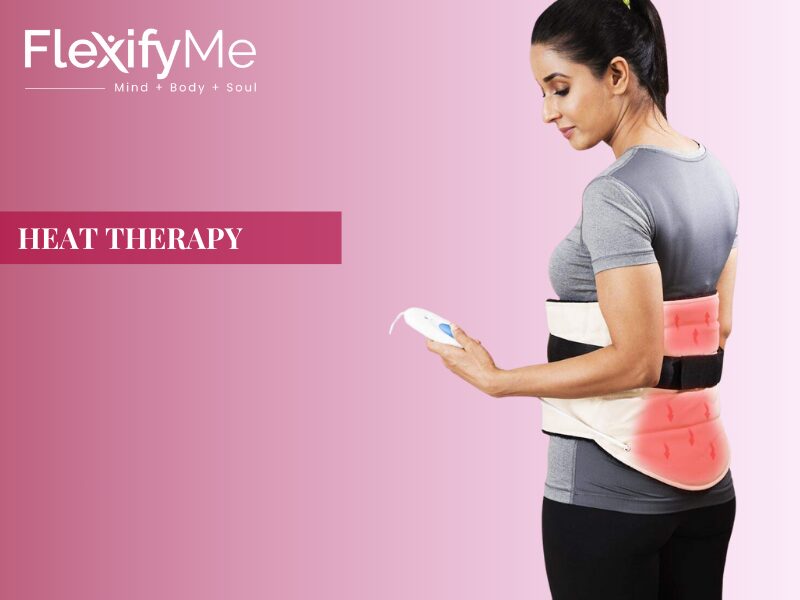
Cold therapy and hot applications may provide temporary relief from sciatica pain. Try both and see which works best for your body.
2. Over-the-Counter Pain Relief
OTC medications provide most people with fast pain relief. Options commonly taken are:
- NSAIDs, namely ibuprofen (Advil, Motrin)
- Naproxen
- Acetaminophen (Tylenol) for pain relief and reduction of inflammation (If one cannot tolerate taking NSAIDs)
However, these drugs provide immediate relief but should be used as a last resort for pain management; prolonged medication can harm the kidneys or liver or even cause stomach toxicity. You should consult with your healthcare provider before using them for long.
3. Stretching and Exercises.
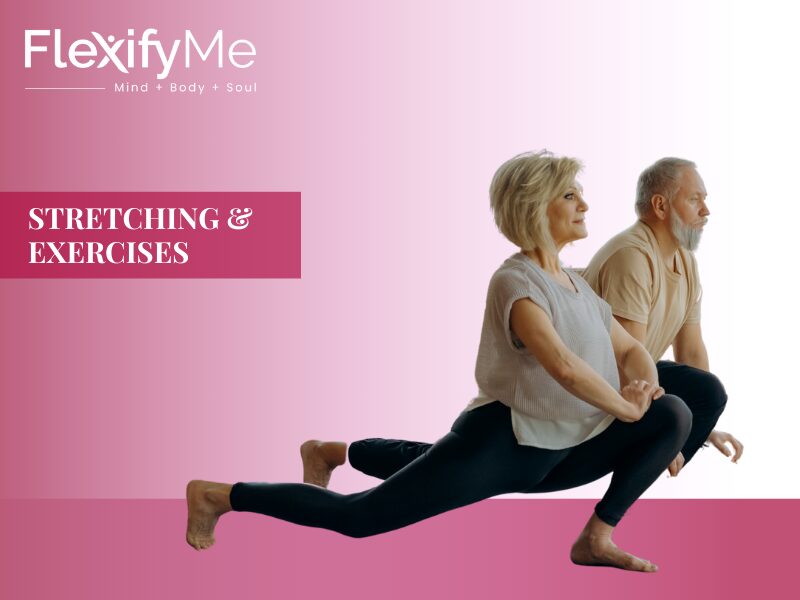
Gentle stretching and strengthening may help relieve sciatica pain. Below are a few exercises and stretches that can help you get immediate relief from the pain:
a. Piriformis Stretch

The piriformis muscle in the buttocks can sometimes compress the sciatic nerve. This muscle can be stretched to relieve the pressure on the nerve and thus the pain.
Steps:
- Stretch your legs on the ground in front of you.
- Cross over the affected leg over the other, flatting the other foot on the floor.
- Gentle pulling of the knee would go towards the other shoulder.
- Hold the stretch for about 30 seconds and then do the routine 3 to 4 times.
b. Knee-to-Chest Stretch
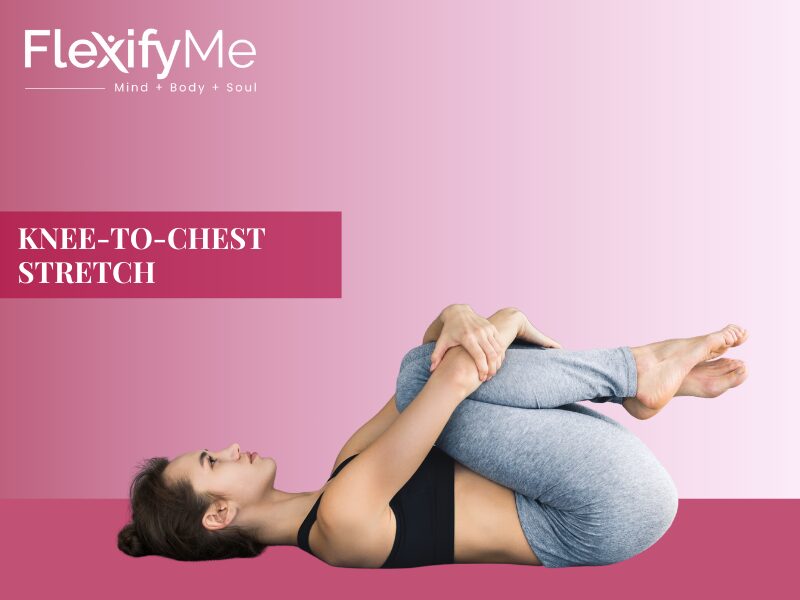
This simple stretch reduces stress on your lower back and buttocks, which may relieve sciatica pain.
Steps:
- Lie on your back, your knees bent, and your feet flat on the floor.
- Bring one knee toward your chest. Given both hands, grasp it.
- Hold for about 20-30 seconds, and repeat on the other leg.
c. Hamstring Stretch
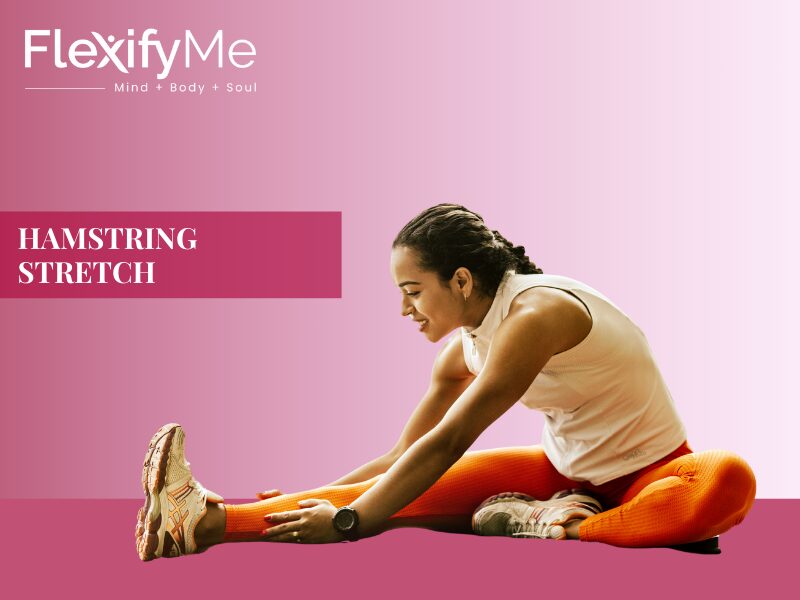
Tight hamstrings can worsen sciatica pain, increasing pressure on the sciatic nerve. Hamstring stretching will relieve you considerably.
Steps:
- Lie on your back having one leg straight and the other bent.
- Gradually straighten the leg, stretching to reach the foot with a strap or towel.
- Hold this stretch for about 20-30 seconds, returning to the beginning position and repeating it with the other leg.
Caution: Do the stretches gently without pushing yourself too hard. If you feel sharp pain while stretching, stop immediately and consult your healthcare provider.
4. Physical Therapy and Professional Treatments
In some cases, seeking out professional help may be the fastest way to relieve sciatica pain. They have been trained to diagnose and identify the cause of pain and develop a treatment based on that diagnosis.
The physical therapist may have you perform certain exercises specifically to strengthen the muscles surrounding the lower back. It helps gain more flexibility or lessen the pressure on the sciatic nerve. The therapist may also use techniques, such as manual therapy, massage, or heat/cold treatment.
Chiropractors can assist with spinal manipulation sometimes effective in realigning the vertebrae and removing pressure from the nerves. This hands-on method has worked wonders to relieve sciatica for many.
5. Mindfulness and Relaxation Techniques
Stress and tension in the body often worsen any sciatica pain. Relaxation techniques like mindfulness meditation, deep breathing, or yoga can help combat emotional and physical stress that fuels pain.
- Mindfulness Meditation: Mindfulness urges one to focus on their mind, breath, and bodily sensations without judging their good or bad aspects. Practising mindfulness might also decrease the overall perception of pain and simultaneously calm your nervous system.
- Deep Breathing: The rotation of the breath awakens the parasympathetic nervous system, a system that facilitates muscle relaxation. It allows the conventional mechanism of the brain to work without nourishing any nervous system.
- Gentle Yoga: Yoga helps develop flexibility, isometrically strengthens muscles, and reduces stress. A child’s pose or cat-cow can be of great help to someone sporting sciatica.
Patience can go a long way: Even though these techniques cannot provide immediate relief, they can keep the pain reduced in the long run, therefore improving the quality of life.
6. Epidural Steroid Injections
If sciatica pain is excessive or chronic, an epidural steroid injection may be recommended for the patient. This procedure includes injecting a corticosteroid medication into the cavity surrounding the spinal cord to reduce inflammation and reduce pain.
An epidural steroid injection is typically considered a last resort when other treatments have not provided relief. While the headache caused by sciatica pain may subside quickly after the injection, the effects of the procedure can last for several weeks or even months.
How Long Does Sciatica Pain Last?
In mild cases, sciatica will typically recede quite rapidly; within a few days to weeks after initiating self-care, including rest, stretching, and over-the-counter drugs used to treat inflammation or pain. However, in more serious conditions, sciatica may last several months.
If your symptoms persist for more than 4-6 weeks or become progressively worse, you should see a doctor for further evaluation. Herniated discs, spinal stenosis, or degenerative disc disease may be present, possibly calling for more advanced treatment, including physical therapy and sometimes even surgery.
Tips for Prevention of Sciatica Pain.
You may not be able to prevent sciatica, but there are a few measures you can take to lower your risk for sciatica:
- Maintain a Healthy Weight: Extra weight puts extra pressure on your spine, and that may cause sciatica.
- Exercise Regularly: Stronger and more capable muscles will lessen the chances of getting injured and even compressed.
- Think Posture: Please try to avoid slumping or sitting for long periods. Use workplace furniture that suits your lower back.
- Lift Objects Properly: Bend your knees, keep your back straight, and avoid twisting your body while lifting.
Exercises to Avoid During Sciatica Pain
Some forms of exercise aggravate the condition or put additional stress on the already affected nerve when dealing with sciatica pain. Such exercises should be avoided:
- Heavy-weight lifting: Heavy-weight lifting, especially when not executed properly, tends to cause added pressure on the spine, which in turn aggravates sciatica. Such exercises include some forms of deadlifts and squats that apply heavy strain on the lower back.
- High-Impact Activities: Running, jumping, or any high-impact exercise can jolt the spine, and will worsen sciatic nerve pain. These activities can cause further irritation and prolong recovery.
- Twisting movements: Exercises in which you suddenly twist the body to one side involve some muscular contraction, so they increase the amount of force placed on the sciatic nerve. Yoga poses and some sports movements are fatal. Rotational torso twists should be avoided.
- Sit-ups and crunches: Sit-ups and crunches can put extra pressure on your lower back, making the pain worse and putting additional strain on your already irritated sciatic nerve.
- Hyperextension: Overextending the spine by way of deep backbends or hyperextension exercises can increase sciatica and worsen the pressure on your spinal discs.
- Toe Touches and Forward Bends: These movements, especially when performed improperly, can stretch and compress the lower back, causing further irritation to the sciatic nerve.
Reminder: To avoid further aggravating your sciatica, it is advisable to substitute such exercises with a low-impact cross-training regime, such as swimming, walking, or bicycling, as well as some longer stretches or exercises that strengthen your back and core. Experts recommend checking with a medical practitioner or physical therapist before starting any major exercises to treat sciatica.
Conclusion
Sciatica pain is one of the most painful conditions, but there are various treatments to ease the suffering. There are simpler home treatments like heat and cold therapies and also more sophisticated forms of relief that include physical therapy and epidural injections.
Now you know what is the fastest way to relieve sciatica pain: starting treatment, light interventions such as stretching or medication for pain. However, if severe discomfort and prolonged symptoms persist, it is advisable to seek medical help to provide a proper way to approach the prognosis.
Combining immediate relief methods with preventive measures and ongoing treatment enables one to manage sciatic pain in a safe manner, ensuring that life returns to its normal course.
Frequently Asked Questions For Sciatica Pain
1. What is sciatica pain?
Sciatica refers to pain that radiates along the sciatic nerve, which runs from your lower back through your hips, buttocks, and down each leg. It’s usually caused by compression or irritation of the nerve due to a herniated disc, spinal stenosis, or muscle tightness.
2. What are the symptoms of sciatica?
- Sharp, shooting pain in the lower back, buttock, or leg
- Numbness or tingling in the leg or foot
- Muscle weakness in the affected leg
- Pain that worsens with sitting, bending, or coughing
3. What causes sciatica pain?
- Herniated or slipped disc
- Piriformis syndrome (tight buttock muscles)
- Spinal stenosis (narrowed spinal canal)
- Degenerative disc disease
- Pregnancy or prolonged sitting
4. How is sciatica diagnosed?
Doctors diagnose sciatica through:
- Physical exams (checking reflexes, strength, flexibility)
- Imaging tests like MRI, CT scan, or X-ray
Early diagnosis helps prevent worsening symptoms and supports faster recovery.
5. Can physiotherapy help with sciatica pain?
Absolutely. Physiotherapy is one of the most effective non-surgical treatments for sciatica. It helps by:
- Reducing pain and inflammation
- Improving posture and flexibility
- Strengthening core and back muscles
Try an online physiotherapy consultation for expert guidance and home-based recovery plans.
6. What exercises relieve sciatica pain fast?
Gentle stretching and strengthening exercises like:
- Piriformis stretch
- Knee-to-chest stretch
- Cat-cow stretch
- Pelvic tilts
- Hamstring stretches
(Always consult a physiotherapist before starting.)
7. How long does sciatica pain last?
Mild cases improve in a few days to weeks. Chronic or severe cases may last 3 months or longer if untreated. Early physiotherapy speeds up recovery.
8. Should I rest or stay active with sciatica?
While rest is okay initially, staying active with gentle movement and physiotherapy promotes faster healing. Prolonged bed rest can worsen symptoms.
9. When should I see a doctor for sciatica pain?
Seek medical help if:
- Pain is severe or constant
- There’s numbness or weakness in the leg
- You experience bladder or bowel issues
- Symptoms last more than a few weeks
10. Can sciatica pain be permanently cured?
Yes, with the right treatment approach, most people recover fully. A combination of physiotherapy, posture correction, core strengthening, and lifestyle changes can prevent recurrence.