




 ₹https://clinics.flexifyme.com/flexifyme/-in-pune/-in-hinjewadi/flexifyme-advanced-physiotherapy-clinic-in-hinjewadi-pune--7gAsKd/articles/dussehra-travel-from-hinjewadi-pune-neck-pain-treatment-and-ways-to-reduce-stiffness--f6619419-da75-4534-b93e-5d345f6cb413
FlexifyMe Advanced Physiotherapy Clinic, Hinjewadi, pune
Physiotherapy Clinic in Hinjewadi, Pune, Maharashtra
No 3/1, Second Floor, Hinjawadi Phase II, Rajiv Gandhi Infotech Park, Hinjewadi, pune, maharashtra - 411057Request A Call Back
FlexifyMe Advanced Physiotherapy Clinic Social Feeds in Hinjewadi, pune

Dussehra Travel from Hinjewadi, Pune: Neck Pain Treatment and Ways to Reduce Stiffness
Introduction
A long journey during Dussehra can leave you with an uncomfortable, stiff neck. You may fall asleep with your head tilted to one side in a car, bus or train and wake up finding it difficult to turn your head comfortably.
For people travelling to or from Hinjewadi and around Pune for the festivities, prolonged sitting, limited movement and awkward sleeping positions may contribute to neck discomfort.
The good news is that some simple adjustments can make travel more comfortable. If stiffness has already developed, gentle movement and suitable self-care may help. Persistent, severe or unusual symptoms, however, should not be ignored.
Why Does Neck Stiffness Happen After Travel?
Neck pain after a journey can have several causes. Prolonged sitting and holding your head in an uncomfortable position may strain the muscles and other structures around your neck.
Common contributing factors include:
Unsupported head position: Sleeping with your head tilted or bent for a long time may leave your neck feeling stiff.
Prolonged sitting: Staying in one position for an extended period can contribute to muscle discomfort.
Looking down at your phone: Holding your head forward while using a screen for long periods may increase strain on your neck.
Limited movement: Long journeys often leave fewer opportunities to change position or move around.
Carrying a heavy bag: A heavy bag carried on one shoulder may contribute to discomfort around the neck and shoulders.
Existing neck conditions: Cervical spondylosis, disc-related problems and other conditions can also cause neck pain or stiffness.
Not every stiff neck is caused by posture or muscle strain. If the pain keeps returning, spreads into your arm or affects everyday activities, a healthcare professional can help identify the underlying cause.
How to Reduce Neck Stiffness During a Journey
Support Your Head and Neck
A comfortable head and neck position may help reduce strain while travelling.
Use a travel pillow that supports your neck and helps prevent your head from falling into an uncomfortable position.
Adjust your headrest so it supports your head appropriately.
If you are sitting by a window, use the available support only if it allows you to remain comfortable and does not force your neck into a tilted position.
Avoid remaining asleep with your head hanging forward or sharply tilted to one side.
If you use a rolled towel for support, position it gently and stop if it increases discomfort.
A travel pillow may improve comfort, but no particular design can guarantee that you will avoid neck pain. Choose one that suits your body and seating arrangement.
Keep Your Neck Moving Gently
Changing position during a long journey may help prevent you from remaining in one posture for too long. When it is safe and comfortable, try gentle movements such as:
Slowly turning your head a small distance from side to side.
Gently moving your chin back without forcing your head downward.
Rolling your shoulders backwards.
Bringing your shoulder blades gently towards each other.
Perform movements within a comfortable range. Do not force your neck to turn further than it comfortably allows, and stop if a movement causes sharp pain, dizziness, tingling or symptoms spreading into your arm.
Avoid forceful neck stretches, rapid circular movements and attempts to crack your neck. If you have recently injured your neck or have significant symptoms, seek medical advice before trying exercises.
Make Small Changes to Your Travel Habits
A few practical adjustments can make long journeys easier on your neck.
Hold your phone higher instead of looking down at your lap for extended periods.
Change your sitting position regularly.
Take safe breaks during long car journeys to stand, walk and move comfortably.
Use a backpack with properly adjusted straps when practical, rather than carrying a heavy bag on one shoulder.
Adjust the air-conditioning vent if direct airflow makes you uncomfortable.
These measures can help improve comfort, although neck pain may still occur for reasons unrelated to travel habits.
Neck Pain Treatment: What Can Help Once Stiffness Starts?
If your neck feels stiff after arriving at your destination, avoid repeatedly testing how far you can turn your head. Instead, focus on comfortable movement and monitor your symptoms.
Try Gentle Movement
Complete inactivity is not necessary for every episode of neck pain. Gentle movement within your comfort range may help you maintain mobility.
You can try slowly moving your head through a small, comfortable range or gently rolling your shoulders. Avoid lifting heavy bags, stretching forcefully or continuing activities that significantly increase your pain.
If you cannot move your neck after an accident or injury, seek medical assessment rather than attempting to loosen it yourself.
Consider Heat or Cold for Comfort
Some people find a warm shower or a wrapped heat pack soothing when their neck feels tight. Others prefer a cold pack, particularly after a recent injury.
If you use heat or cold, apply it for a short period and protect your skin from direct contact with very hot or cold surfaces. Stop if it causes discomfort.
These are comfort measures, not a substitute for assessment when symptoms are severe, persistent or unusual.
Review Your Sleeping Position
Your sleeping position and pillow may affect how comfortable your neck feels overnight.
Choose a pillow that supports your head without forcing your neck sharply forwards or sideways.
If you sleep on your side, adjust the pillow height so your head feels supported.
If you sleep on your back, choose a comfortable pillow that supports the natural curve of your neck.
Avoid positions that consistently increase your symptoms.
There is no single pillow height or sleeping position that suits everyone. Comfort and symptom response are useful guides, but persistent pain may require professional assessment.
When Should You Consider Physiotherapy for Neck Pain?
If neck stiffness keeps returning after travel, affects your ability to turn your head or interferes with work and daily activities, consider seeking professional advice.
A physiotherapist may assess your neck movement, strength, symptoms and relevant medical history. Depending on the findings, treatment may include:
Gentle mobility exercises.
Exercises to improve neck and shoulder strength.
Advice on posture and everyday movement.
Manual therapy when appropriate.
A personalised home exercise programme.
The right treatment depends on the cause of your symptoms. Exercises and hands-on techniques should be selected according to your assessment rather than applied in the same way to everyone.
Neck Pain Treatment at FlexifyMe
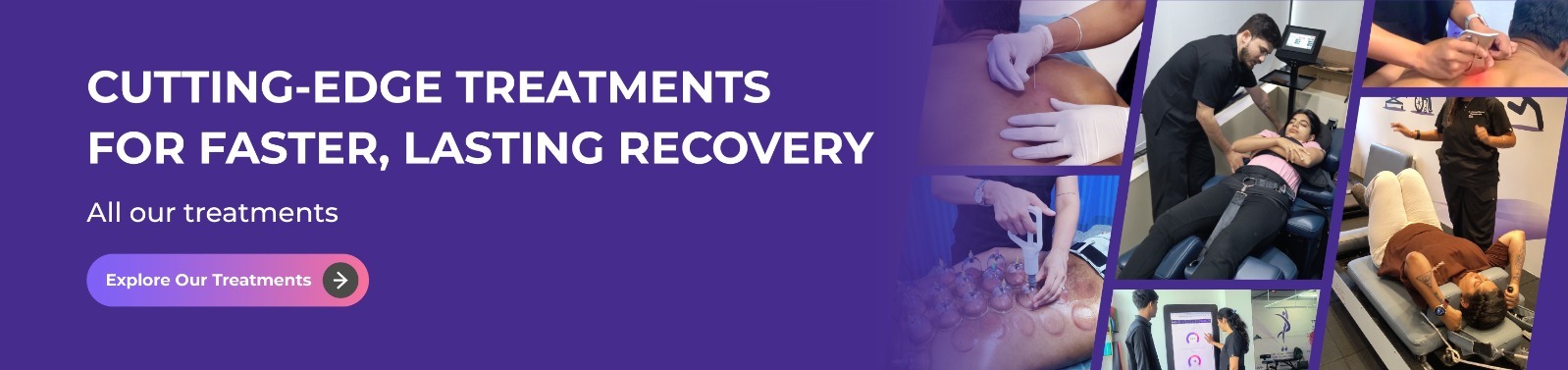
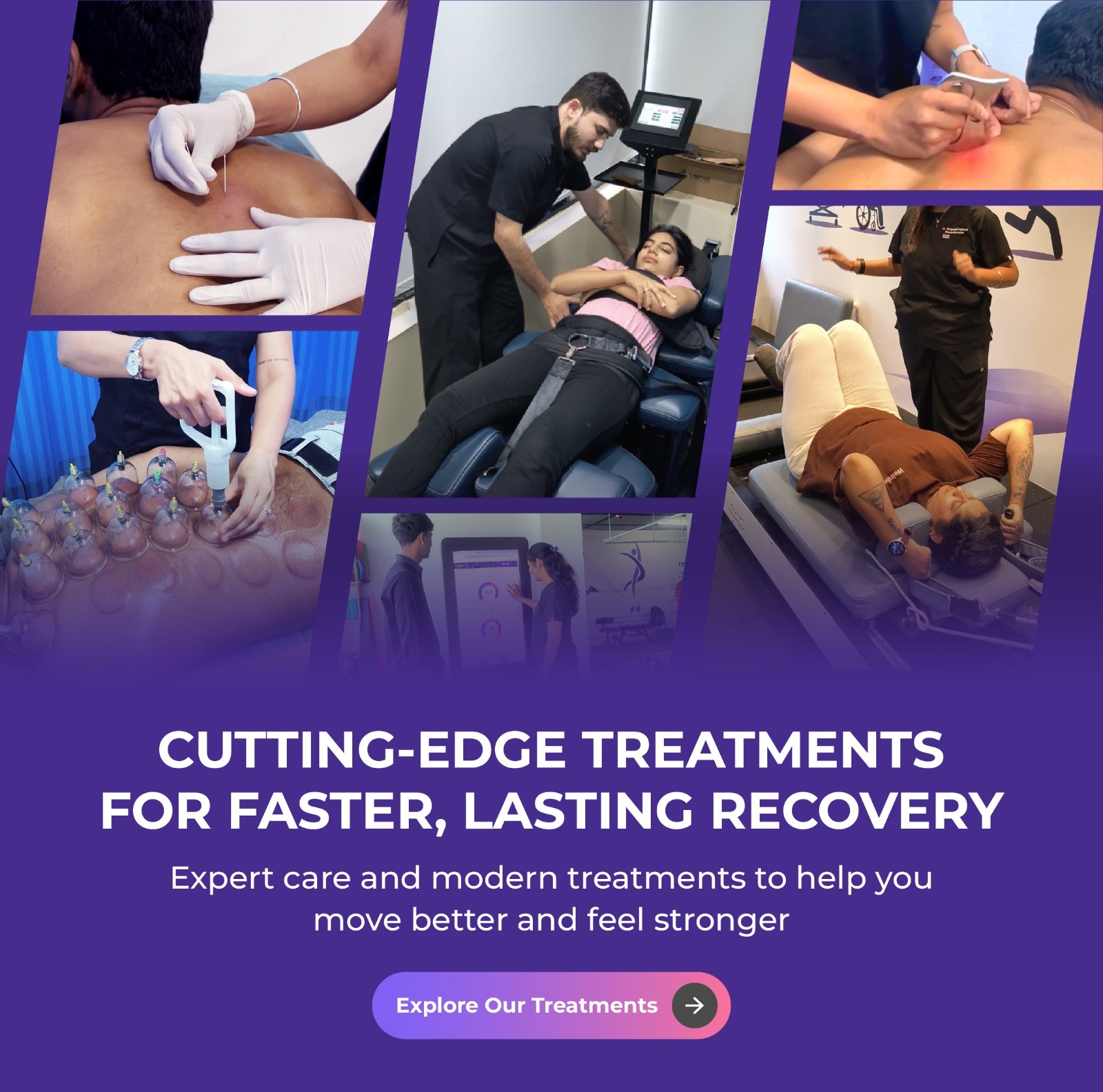
FlexifyMe's official website lists neck pain treatment and physiotherapy services. Its neck pain treatment information describes approaches such as physiotherapy exercises, manual therapy, soft-tissue mobilisation, ergonomic guidance and posture education.
The website also lists therapies such as IFT and TENS and dry needling. These are not required for every neck condition, and their suitability depends on individual assessment.
FlexifyMe describes an assessment process that combines AI-assisted posture and movement analysis with expert clinical assessment. These tools can provide movement-related information, but they do not replace a clinical evaluation or independently establish the cause of neck pain.
FlexifyMe offers online physiotherapy and in-clinic services. Check the official website for current appointment options and clinic locations before booking.
When Does Neck Stiffness Need Medical Assessment?
Many cases of mild neck stiffness can be managed with suitable self-care. However, some symptoms need prompt medical attention.
Seek medical assessment if you experience:
Neck pain that persists, worsens or repeatedly returns.
Pain, tingling or numbness spreading into your arm or hand.
New weakness or difficulty using your hands.
Problems with balance, walking or coordination.
Neck pain following a road accident, fall or other injury.
Seek emergency medical care if neck stiffness occurs with fever and a severe headache, particularly if you feel very unwell, or if you develop sudden weakness, difficulty walking or other serious neurological symptoms.
Do not assume that severe or unusual symptoms are simply the result of sleeping in an awkward position.
Frequently Asked Questions
Are travel neck pillows worth using?
A travel pillow may help support your head and make sitting or sleeping more comfortable. Choose one that fits your seating position and does not push your head into an uncomfortable angle. It cannot guarantee that neck stiffness will be prevented.
Should I use a cervical collar for a stiff neck?
Do not start using a cervical collar without medical advice. Whether one is appropriate depends on the cause of your symptoms and any injury. For ordinary stiffness, a healthcare professional can advise whether movement, support or another approach is suitable.
Is heat or ice better for neck stiffness?
Both may provide comfort for some people. Heat may feel soothing for muscle tightness, while cold may help after a recent injury. Use whichever is comfortable, protect your skin and seek assessment if the pain is severe or persistent.
How can I find a physiotherapist near me for neck stiffness?
Search for physiotherapist near me or neck pain treatment in Hinjewadi to explore available options. Check the provider's services, qualifications and appointment availability. FlexifyMe offers online physiotherapy and in-clinic services at listed locations, which you can review on its official website.
Can neck pain cause headaches?
Neck problems can contribute to some headaches, including pain that starts around the base of the skull. However, headaches have several possible causes. Seek medical advice if headaches are new, persistent or worsening. A sudden severe headache or a headache accompanied by fever, marked neck stiffness or neurological symptoms requires urgent assessment.
Arrive Ready to Celebrate This Dussehra
Long journeys can put your neck in uncomfortable positions, particularly when you spend hours sitting or sleeping without adequate support. Adjust your headrest, use a comfortable pillow, change positions regularly and move your neck gently within a comfortable range.
If stiffness persists, keeps returning or affects your everyday activities, seek professional advice instead of repeatedly stretching or forcing your neck to move.
For neck pain treatment, FlexifyMe offers physiotherapy services and assessment options that may help guide an appropriate care plan. Review the official website for current services and clinic locations, or explore its online physiotherapy options.
This article is for general information only and is not a substitute for individual medical advice. Neck pain following an accident, new arm weakness, difficulty walking or severe neck stiffness accompanied by fever and headache requires prompt medical assessment.