


 ₹https://clinics.flexifyme.com/flexifyme/-in-pune/-in-hinjewadi/flexifyme-advanced-physiotherapy-clinic-in-hinjewadi-pune--7gAsKd/articles/dussehra-travel-and-celebrations-in-hinjewadi-pune-back-pain-treatment-and-prevention--0fb91024-ccb6-49d6-95ab-323900578059
FlexifyMe Advanced Physiotherapy Clinic, Hinjewadi, pune
Physiotherapy Clinic in Hinjewadi, Pune, Maharashtra
No 3/1, Second Floor, Hinjawadi Phase II, Rajiv Gandhi Infotech Park, Hinjewadi, pune, maharashtra - 411057Request A Call Back
FlexifyMe Advanced Physiotherapy Clinic Social Feeds in Hinjewadi, pune
Dussehra Travel and Celebrations in Hinjewadi, Pune: Back Pain Treatment and Prevention
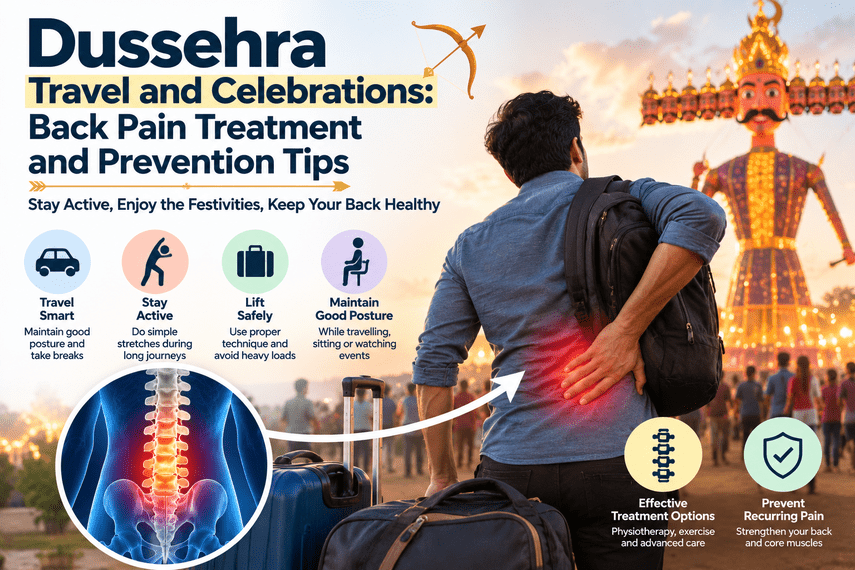
Dussehra often brings busy schedules, family gatherings, travel, home cleaning and long hours at celebrations. A long drive, repeated bending while decorating or lifting heavy items can leave your back feeling sore or stiff.
For people celebrating across Hinjewadi and Pune Knowing how to manage back pain can help make the festive season more comfortable. The right approach depends on the cause and severity of the pain, but gentle movement, sensible activity changes and appropriate treatment can help many people manage uncomplicated back pain.
This guide explains what to do when back pain starts during Dussehra, when to seek medical help, which treatment options may help and how to prepare for future journeys and celebrations.
What to Do When Back Pain Starts During Dussehra
Back pain after travel, prolonged standing or physical activity does not always indicate a serious injury. However, severe, persistent or unusual symptoms should not be ignored.
Keep Moving Within Your Comfort Level
If the pain is manageable and you have no warning signs, try gentle movement rather than staying in bed for prolonged periods. Short walks and changing positions can help you maintain mobility.
Avoid activities that clearly aggravate your symptoms, particularly heavy lifting or repeated bending during a painful flare. Increase your activity gradually as your comfort improves.
Find a Comfortable Position
There is no single resting position that works for everyone with back pain. Some people feel more comfortable lying on their back with their knees supported, while others prefer sitting or standing for short periods.
Choose a position that eases your symptoms, and change positions regularly instead of remaining still for long periods.
Try Heat or Cold if It Helps
A warm pack may feel soothing when your back muscles feel tight. A cold pack may feel more comfortable for some people after an activity-related flare.
Use a cloth between the pack and your skin, and avoid applying extreme temperatures directly. Stop if the application causes discomfort or skin irritation.
Avoid Heavy Lifting During a Painful Flare
If your back hurts, postpone heavy cleaning, moving furniture, carrying large decorations or lifting luggage where possible. Ask someone to help rather than pushing through significant pain.
If you must handle an item, keep it close to your body, avoid twisting while carrying it and move your feet to change direction.
When Back Pain Needs Urgent Medical Attention
Most episodes of back pain do not require emergency treatment, but certain symptoms can indicate a serious problem.
Seek emergency medical care if you experience:
Difficulty passing urine or loss of bladder or bowel control
Numbness around the groin, genitals, buttocks or inner thighs
Significant or rapidly worsening weakness in your legs
New neurological symptoms affecting both legs
These symptoms can indicate serious nerve compression and should not wait until after the festival.
Seek prompt medical assessment if back pain follows significant trauma or occurs with fever, unexplained weight loss or other concerning symptoms. If you are unsure about the seriousness of your symptoms, contact a qualified healthcare professional.
Back Pain Treatment Options During the Festive Season
The appropriate treatment depends on the cause of the pain, its severity, your medical history and any associated symptoms. Not every person needs the same combination of treatments.
1. Activity Modification and Gentle Movement
For many uncomplicated episodes, the initial approach involves reducing activities that aggravate the pain while maintaining comfortable movement.
This may mean taking shorter walks, alternating between sitting and standing, postponing heavy household work and returning to normal activities gradually.
Prolonged bed rest is generally not recommended for uncomplicated back pain. However, severe pain, weakness or other warning signs need medical assessment rather than self-management alone.
2. Medication When Appropriate
A doctor or pharmacist can advise whether pain-relieving medication is suitable for your situation. The choice depends on your symptoms, other medicines, medical conditions and potential side effects.
Medication may help manage symptoms, but it does not replace an assessment when pain is severe, persistent or associated with concerning symptoms. Do not start or combine medicines without checking whether they are suitable for you.
3. Physiotherapy and Rehabilitation
Physiotherapy may help when back pain affects your movement, daily activities or ability to return to normal routines.
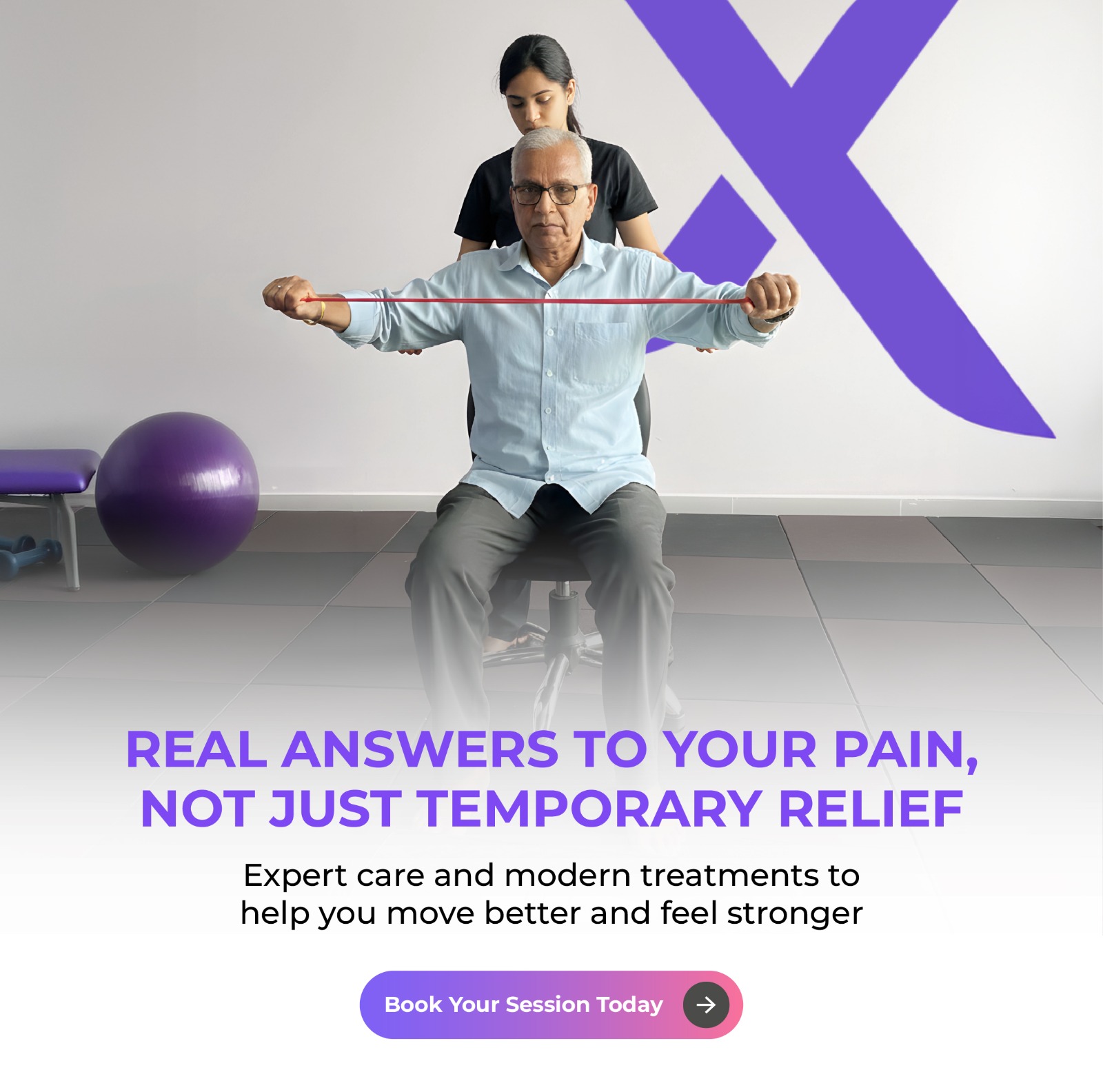
Depending on your assessment, a physiotherapist may recommend therapeutic exercises, mobility work, movement guidance, strengthening or changes to everyday activities. The plan should match your symptoms and progress as your function improves.
FlexifyMe's official website describes physiotherapy services that combine AI-assisted posture and movement analysis with expert clinical assessment and personalised recovery planning. Its treatment information also includes back pain and lower back pain. Visit the official FlexifyMe website to explore current services and appointment options.
4. Additional In-Clinic Therapies
Some physiotherapy plans include additional techniques alongside therapeutic exercise and rehabilitation.
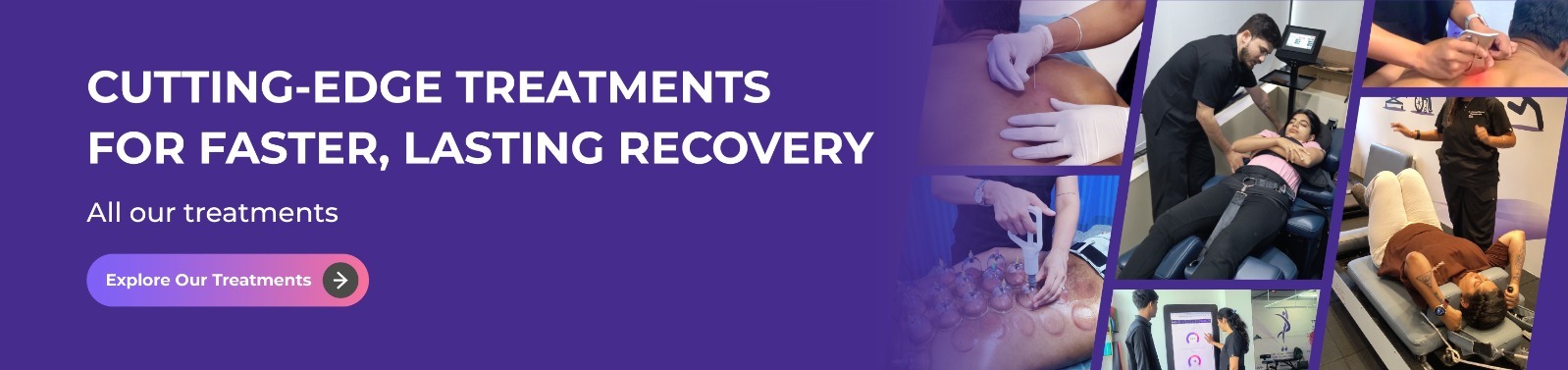
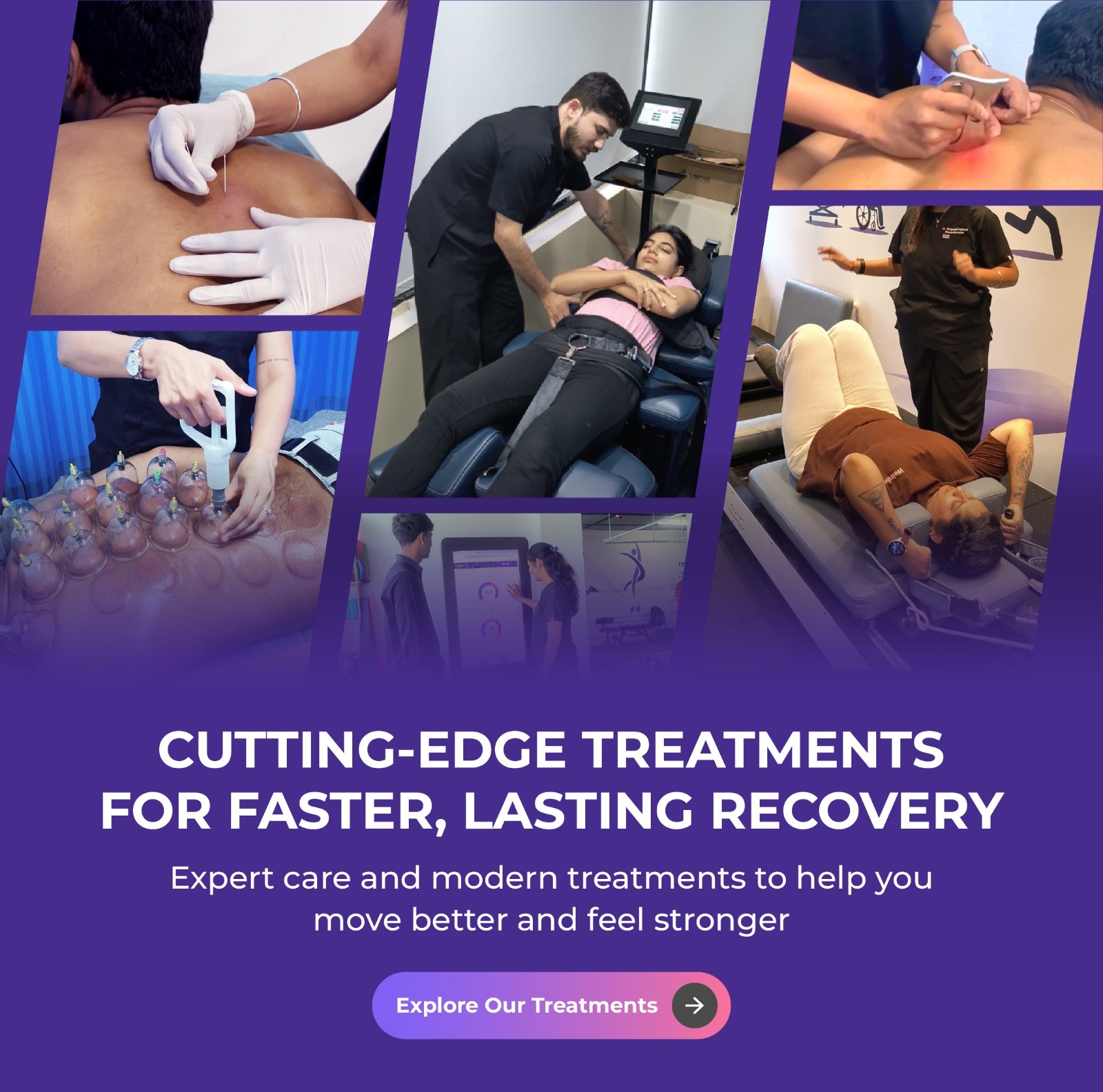
FlexifyMe's official therapy catalogue lists options such as manual therapy, IFT and TENS, dry needling, cupping and spinal decompression. These therapies have different purposes and are not automatically appropriate for every person with back pain.
A physiotherapist should assess your condition and determine whether a particular technique is suitable. Availability can also vary by clinic, so confirm the options offered at your chosen location.
5. Clinical Assessment for Persistent or Recurrent Pain
Consider seeking professional assessment if back pain repeatedly returns, interferes with sleep or daily activities, spreads into a leg, or does not improve as expected.
An assessment can help determine whether physiotherapy is appropriate or whether you need further medical investigation. Imaging, such as an MRI, is not necessary for every episode of back pain; the decision depends on your symptoms, examination and clinical history.
How to Prevent Back Pain During Dussehra Travel
Travel can involve long periods of sitting, carrying luggage and limited opportunities to change position. A few practical adjustments can make the journey more comfortable.
Before a Long Journey
Avoid starting the journey already exhausted from heavy cleaning or lifting.
Pack bags in manageable sizes and ask for help with heavy luggage.
Choose comfortable clothing that allows you to sit and move easily.
If you already have back pain, consider whether you need medical advice before travelling.
During the Journey
Change your position regularly when it is safe and practical.
Take breaks during long car journeys to stand and walk comfortably.
Use a supportive sitting position and adjust your seat where possible.
Keep frequently used items within easy reach to reduce repeated twisting or awkward reaching.
Avoid lifting heavy bags into overhead compartments if doing so aggravates your back.
There is no single break interval that suits everyone. Plan stops around the journey, your comfort and any advice you have received from your healthcare professional.
Staying Comfortable at Home and During Dussehra Celebrations
Preparing your home, arranging decorations and attending celebrations can involve more physical activity than usual. Planning the work can help you avoid sudden increases in strain.
Lift and Carry Items Carefully
Keep loads close to your body and use a stable stance. Bend your hips and knees as appropriate for the task, and avoid combining a heavy lift with a twisting movement.
If an item is too heavy or awkward to handle comfortably, use assistance or divide the load into smaller parts.
Break Household Tasks Into Smaller Sessions
Instead of completing every cleaning and decorating task in one long session, spread the work across several days where possible.
Alternate demanding tasks with lighter activities and take breaks when needed. Avoid repeatedly reaching overhead or bending for long periods if these movements aggravate your back.
Manage Long Periods of Standing
At community events, pandals or family gatherings, try to change positions and sit down when practical. Comfortable footwear may also help you feel more at ease during a long day.
If standing consistently triggers pain, do not simply push through it. Consider seeking professional advice, particularly if the problem is recurring.
Return to Physical Activities Gradually
If you have recently experienced back pain, avoid jumping straight into strenuous work after a long journey or a period of reduced activity.
Build your activity level gradually according to your symptoms and functional ability. If you are unsure which movements are suitable, a physiotherapist can help guide your return to normal activities.
Frequently Asked Questions
How long does back pain during Dussehra take to improve?
Recovery varies according to the cause and severity of the pain. Some uncomplicated episodes improve over time with appropriate activity and self-care, while other causes need medical assessment or a more structured treatment plan. Seek advice if symptoms worsen, persist or interfere significantly with daily life.
Should I stop exercising if I have back pain?
Not necessarily. Gentle, appropriate movement can be part of managing uncomplicated back pain. However, exercise selection and intensity should match your symptoms. Stop activities that cause significant worsening and seek medical advice if you develop weakness, numbness or other warning signs.
Should I wear a back belt while lifting festive decorations or luggage?
A back belt should not be treated as a guarantee against injury or a substitute for safe lifting. Use manageable loads, ask for help with heavy items and avoid movements that aggravate existing pain. If you are considering a support because of a back problem, ask a qualified healthcare professional whether it is suitable for you.
Where can I find a physiotherapist near me during the festive season?
If you are searching for a physiotherapist near me or physiotherapy near me in Hinjewadi, look for a qualified provider who assesses your symptoms, checks for warning signs and creates an appropriate treatment plan.
FlexifyMe offers physiotherapy through online consultations and physical clinics in selected locations. Confirm current availability and appointment options for your area directly through the official website.
Do I need an MRI for back pain?
Not everyone with back pain needs an MRI. A healthcare professional will consider your symptoms, medical history and examination findings before deciding whether imaging is appropriate. Urgent assessment may be needed when warning signs suggest a serious underlying problem.
Enjoy Dussehra With a Back-Friendly Plan
Dussehra can involve travel, household preparation, celebrations and long days on your feet. Planning demanding tasks, handling luggage carefully, changing positions during long journeys and allowing time for rest can help you manage physical demands more comfortably.
If back pain has already started, avoid pushing through significant symptoms. Maintain comfortable movement when appropriate, modify aggravating activities and seek professional advice if the pain is severe, persistent or accompanied by warning signs.
For people looking for back pain treatment in Hinjewadi, Pune, FlexifyMe provides physiotherapy services that combine AI-assisted posture and movement analysis with clinical assessment and personalised recovery planning. Online consultations and physical clinic options are available, with specific services depending on the location. Visit the official website to check current availability and explore appointment options.
This article is for general information and is not a substitute for individual medical advice. Bladder or bowel changes, numbness around the groin or rapidly worsening leg weakness require urgent medical assessment.