






 ₹https://clinics.flexifyme.com/flexifyme/-in-pune/-in-hinjewadi/flexifyme-advanced-physiotherapy-clinic-in-hinjewadi-pune--7gAsKd/articles/celebrating-dussehra-with-arthritis-in-hinjewadi-pune-treatment-options-for-joint-pain-and-stiffness--7f1623bb-9ff4-449d-838d-6c553f3a76c3
FlexifyMe Advanced Physiotherapy Clinic, Hinjewadi, pune
Physiotherapy Clinic in Hinjewadi, Pune, Maharashtra
No 3/1, Second Floor, Hinjawadi Phase II, Rajiv Gandhi Infotech Park, Hinjewadi, pune, maharashtra - 411057Request A Call Back
FlexifyMe Advanced Physiotherapy Clinic Social Feeds in Hinjewadi, pune

Celebrating Dussehra With Arthritis in Hinjewadi, Pune: Treatment Options for Joint Pain and Stiffness
Introduction
Dussehra often brings busy days filled with पूजा preparations, family gatherings, festive events and visits to pandals. For people living with arthritis, the extra walking, prolonged standing and changes to their daily routine may make joint pain and stiffness more noticeable.
If you are celebrating in Hinjewadi or around Pune, you do not necessarily have to miss out on the festivities. Planning activities, taking suitable breaks and adapting tasks to your comfort can help you participate without putting unnecessary strain on your joints.
The right approach depends on the type of arthritis you have, which joints are affected and how your symptoms respond to activity. Understanding your limits and following your existing treatment plan can help you manage the festive period more comfortably.
Why Can Arthritis Symptoms Become More Noticeable During Festivals?
Arthritis includes several conditions that affect the joints. Osteoarthritis involves changes to joint structures over time, while inflammatory forms, such as rheumatoid arthritis, involve inflammation and may require specific medical treatment.
During Dussehra, several factors may contribute to increased discomfort:
Sudden increases in activity: Walking or standing for longer than usual may aggravate symptoms.
Prolonged standing: Remaining in one position for an extended period can increase discomfort in affected joints.
Floor sitting and kneeling: These positions may be difficult for people with knee, hip or ankle symptoms.
Changes to your usual routine: Busy schedules can make it harder to maintain regular movement, exercise, sleep and treatment routines.
Fatigue: Long days with limited rest may make everyday activities feel more demanding.
Cooler weather: Some people report increased stiffness or discomfort in colder conditions, although the effect varies from person to person.
These factors do not cause every arthritis flare, and increased pain does not always mean the joint has been damaged. If symptoms change significantly or become difficult to manage, seek medical advice.
How to Plan Dussehra Activities Around Your Joints
Pace Your Activities
Trying to complete all your preparations or attend several events in one day can leave you exhausted. Spreading tasks out may help you manage your energy and joint symptoms.
Alternate activities with rest breaks instead of waiting until you are exhausted.
Divide cleaning, shopping and festival preparations across several days.
Choose the events and activities that matter most to you.
Sit down when you have the opportunity during long celebrations.
Allow extra time to move between locations instead of rushing.
Adjust your plans if pain or stiffness increases.
There is no fixed activity schedule that suits everyone. Find a balance between movement and rest that works with your symptoms and any advice from your healthcare professional.
Protect Your Joints During Everyday Tasks
Small changes to the way you complete household and festival tasks can make them more manageable.
Use both hands when carrying suitable objects to distribute the load.
Keep items close to your body rather than reaching far away.
Slide lightweight objects across a suitable surface instead of lifting them when practical.
Use a trolley or wheeled bag for shopping and supplies.
Choose a stable chair or low stool if kneeling or sitting on the floor is uncomfortable.
Use handrails when available and take your time on stairs.
Wear comfortable footwear that provides suitable support and grip.
Avoid carrying heavy items if your joints are painful or your grip is unreliable. Ask for help with lifting, moving furniture or handling large decorations.
Adapt Prayer and Floor-Sitting Positions
You do not need to force yourself into a painful position to participate in Dussehra rituals.
If kneeling, squatting or sitting cross-legged increases your symptoms, consider using a chair or stool where appropriate. Change position when needed and use support when getting up.
For people with knee or hip arthritis, a position that is comfortable for a few minutes may become difficult if held for a long time. Modify the position before the discomfort becomes severe.
Maintain Your Usual Exercise Routine
If you already have an exercise programme recommended by your physiotherapist or healthcare professional, try to maintain an appropriate routine during the festive period.
When time is limited, ask your clinician whether the programme can be adapted. Avoid suddenly increasing exercise intensity to compensate for missed sessions, and do not push through significant pain or unusual swelling.
Regular, appropriately selected movement can help maintain strength and function. The type and amount of exercise should reflect your condition, symptoms and ability.
Manage Stiffness With Comfortable Movement
If your joints feel stiff after sitting or resting, try changing position and moving gently within a comfortable range.
Some people find a warm shower or gentle warmth soothing for stiffness. If a joint is newly swollen or feels hot, avoid relying on warmth alone and seek medical advice, particularly if symptoms are severe or unusual.
Keep your prescribed medicines and any recommended supports available when travelling to events. Continue medication as directed by your doctor, and do not change doses without medical advice.
What Should You Do If Arthritis Symptoms Flare?
A flare may involve increased pain, stiffness, swelling or difficulty carrying out normal activities. The appropriate response depends on the type of arthritis and the symptoms you experience.
Consider these steps:
Reduce activities that clearly aggravate the affected joints.
Continue gentle movement if it is comfortable and appropriate for your condition.
Break daily tasks into shorter periods.
Use a walking aid or other support only as recommended for your needs.
Follow your existing treatment plan and medication instructions.
Seek medical advice if the flare is unusually severe, persistent or different from your usual symptoms.
Do not assume that every painful or swollen joint is an arthritis flare. A new, hot, red and swollen joint, especially with fever or feeling unwell, needs urgent medical assessment to rule out conditions such as joint infection.
Sudden inability to bear weight or severe pain after an injury also requires prompt assessment.
Arthritis Joint Pain Treatment: What Can Help Long Term?
Arthritis treatment depends on the diagnosis, the joints involved and how the condition affects daily life. A healthcare professional can help you understand the available options and develop a suitable management plan.
Exercise and Strengthening
For many people with osteoarthritis, appropriately selected exercise is an important part of treatment. Depending on the affected joints and individual needs, a programme may include:
Strengthening exercises for the muscles supporting the affected joints.
Gentle range-of-motion exercises to help maintain movement.
Walking or other suitable physical activity.
Balance exercises when appropriate.
Gradual progression based on comfort, function and professional guidance.
Exercise should be adjusted to your condition. Some temporary discomfort may occur when starting or changing a programme, but sharp pain, significant swelling or a marked increase in symptoms should not be ignored.
Strength and function improve at different rates for different people. There is no single recovery timeline for arthritis, and exercise alone may not be sufficient for every condition.
How Physiotherapy Can Help
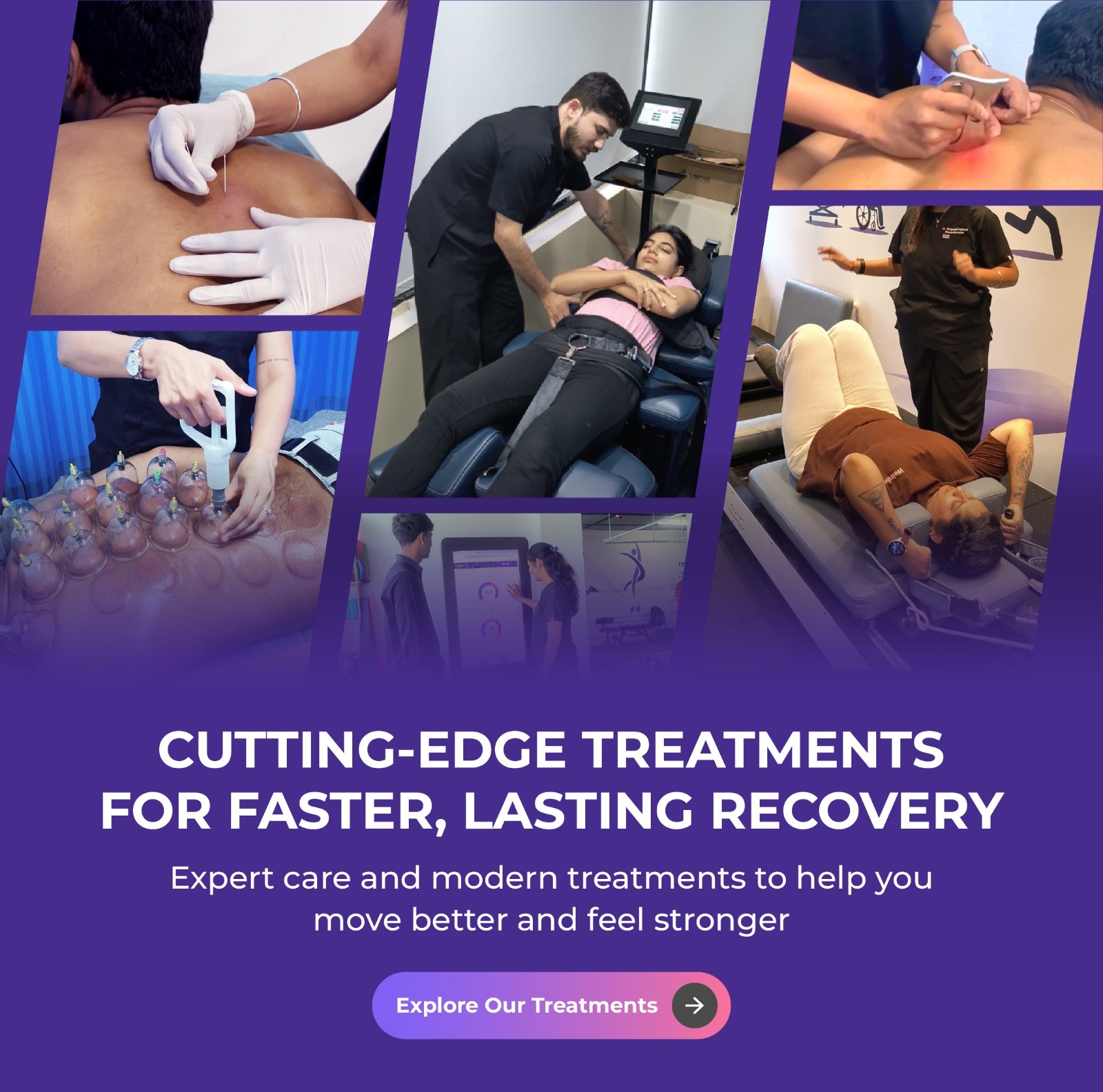
Physiotherapy may help people with arthritis manage movement difficulties and maintain everyday function. Depending on the assessment, treatment may involve therapeutic exercise, mobility work, balance training, activity modification and guidance on joint protection.
A physiotherapist can also help you adapt activities such as walking, climbing stairs, getting up from a chair and completing household tasks.
Osteoarthritis and inflammatory arthritis do not have identical treatment needs. If you have rheumatoid arthritis or another inflammatory condition, physiotherapy should complement, not replace, medical care from your doctor or rheumatologist.
Physiotherapy and Assessment at FlexifyMe
FlexifyMe's official website describes a physiotherapy approach that combines AI-assisted posture and movement analysis with an expert clinical assessment. Its assessment process includes posture, gait and movement analysis, as well as foot and pressure analysis where available.
These assessments can provide information about movement patterns and loading. They do not independently diagnose arthritis or replace a medical assessment.
FlexifyMe offers personalised physiotherapy plans that may include supervised sessions, therapeutic exercise and movement correction, depending on the individual's assessment and needs. Its website also lists clinic-based and online appointment options, along with home physiotherapy in selected locations.
The appropriate service and treatment depend on your condition and location. Check the official website for current availability before booking.
Medication and Medical Management
Medication may be an important part of arthritis management, particularly for inflammatory conditions. Your doctor may recommend treatment based on the type of arthritis, disease activity, medical history and other individual factors.
Do not stop prescribed medication, change your dose or start a new pain medicine just because of festival activities. If your symptoms are not controlled, discuss them with your treating doctor.
Physiotherapy and self-management strategies can support joint function, but they are not substitutes for prescribed medical treatment when it is needed.
Frequently Asked Questions
Will exercise damage my arthritic joints?
Appropriately selected exercise is an important part of osteoarthritis management for many people. The type, intensity and progression should match your condition and current ability. If an exercise causes sharp pain or a significant increase in swelling, stop and seek professional guidance.
Why are my joints stiffer in the morning?
Morning stiffness can occur with different types of arthritis. Its duration, severity and associated symptoms can help a clinician understand the possible cause. Persistent morning stiffness, especially when several joints are affected or symptoms include swelling, should be discussed with a doctor.
Does cold weather make arthritis worse?
Some people report increased joint stiffness or discomfort in colder weather, but responses vary. Staying comfortably warm, moving regularly and following your treatment plan may help you manage symptoms.
Should I avoid stairs and sitting on the floor completely?
Not necessarily. The right approach depends on which joints are affected and how they respond. You may be able to use handrails, take stairs slowly, change sitting positions or use a chair or stool instead of kneeling. Avoid activities that cause significant pain or feel unsafe.
How can I find a physiotherapist near me for arthritis?
Search for physiotherapist near me or arthritis treatment in Hinjewadi to explore local options. Look for a qualified professional who assesses your movement, strength and functional needs and can work alongside your medical care. FlexifyMe offers physiotherapy through online appointments and listed service locations; check the official website for availability in your area.
Can I manage joint stiffness without changing my medication?
Gentle movement, appropriate exercise, activity pacing and comfortable warmth may help some people manage stiffness. However, these measures do not replace medication when it is needed. Speak to your doctor before changing any prescribed treatment.
Celebrate Dussehra at Your Own Pace
Living with arthritis does not mean you have to withdraw from every festive activity. Planning ahead, adapting uncomfortable positions, taking breaks and maintaining an appropriate movement routine can help you participate in ways that suit your needs.
Pay attention to changes in your symptoms. If a joint becomes hot and swollen, pain increases significantly or you develop symptoms that are unusual for you, seek medical advice rather than assuming the cause is a routine flare.
For support with mobility, strength and everyday activities, FlexifyMe offers physiotherapy assessment and personalised care options. Review the official website for current services and location availability, and continue to work with your doctor on the medical management of arthritis.
This article is for general information only and is not a substitute for individual medical advice. A hot, red, swollen joint with fever, sudden severe pain or a significant change in symptoms requires prompt medical assessment. Medication decisions should be made with your treating doctor.