




 ₹https://clinics.flexifyme.com/flexifyme/-in-pune/-in-baner/flexifyme-advanced-physiotherapy-clinic-in-baner-pune--4pBhyX/articles/top-5-exercises-for-cervical-spondylosis-to-relieve-pain--df5d1200-a85f-4b68-a089-e50ce67e600c
FlexifyMe Advanced Physiotherapy Clinic, Baner, pune
Physiotherapy Clinic in Baner, Pune, Maharashtra
Second Floor, Laxman Nagar, Baner - Mahalunge Road, Opposite Croma Showroom, Baner, pune, maharashtra - 411045
Request A Call Back
FlexifyMe Advanced Physiotherapy Clinic Social Feeds in Baner, pune
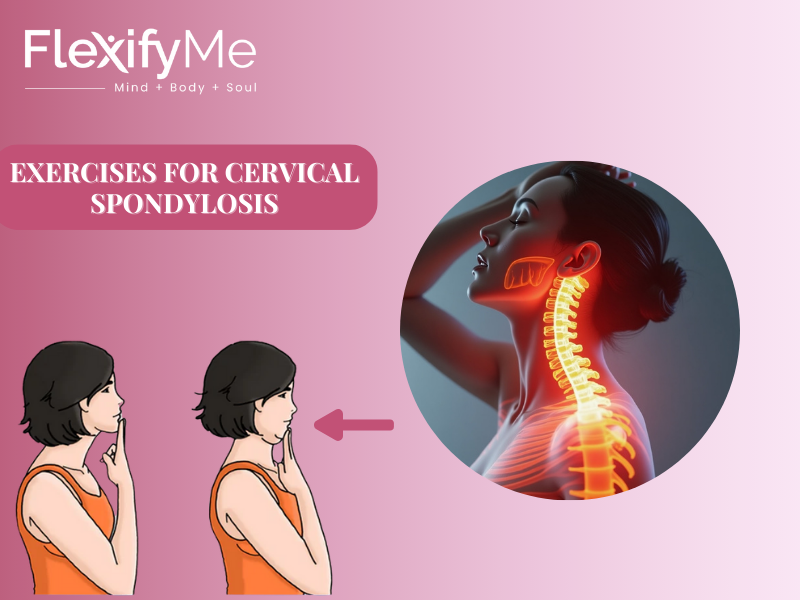
Top 5 Exercises for Cervical Spondylosis to Relieve Pain
Cervical spondylosis is a condition that leads to the gradual deterioration of the discs, ligaments, and vertebrae, rendering one with aches and discomfort. With the neck and cervical spine damaged, one might find it hard to conduct regular chores, lift weights and more. If not managed on time, cervical spondylosis can lead to severe discomfort and cramps, leading to worsened conditions. That’s why exercises for cervical spondylosis are often prescribed by healthcare professionals to alleviate the pain and address the complications. These exercises and postures are particularly beneficial for reducing stiffness. They conduct controlled movement and enhance flexibility in the cervical areas.
Here’s everything you need to know about cervical spondylosis and exercises to recover from the condition.
What Are the Major Causes of Cervical Spondylosis?
Experts suggest that one of the major reasons for cervical spondylosis is osteoarthritis. With the cartilages getting weaker and toughening up, the joints of the cervical region are likely to get affected. Other factors that contribute to cervical spondylosis include:
- Lifestyle issues and intense daily work.
- Genetics and history of spondylosis in the family.
- Environmental factors influence genes or epigenetic causes.
- The sex of an individual.
- Ethnicity.
However, it is also observed that cervical spondylosis is likely to show up with ageing as the muscles, joints, and cartilages degenerate. Rheumatoid Arthritis also affects joints in the cervical area, leading to spondylosis.
Risk Factors Involved
Several risk factors need to be averted or watched out for to prevent cervical spondylosis. Some of them are:
- Smoking,
- Diabetes,
- Ageing,
- Family history,
- Wear and tear in joints due to some injuries,
- Obesity,
- High blood pressure tendencies.
While ageing and family history are some risk factors that cannot be averted, you can take necessary measures like practising exercises for cervical spondylosis to mitigate the severe aches and discomfort.
Common Symptoms of Cervical Spondylosis
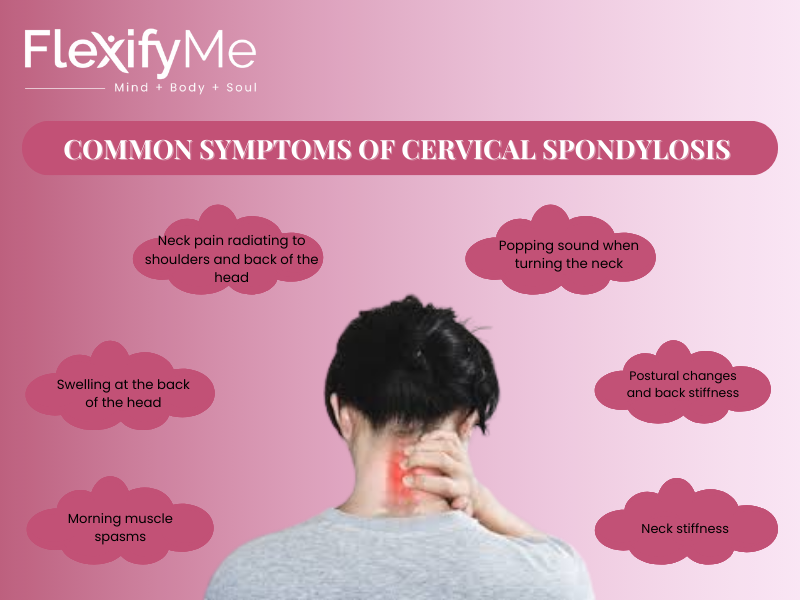
Generally, with the onset of the condition and early stages, one may not be aware of cervical spondylosis. However, when left untreated or unaddressed, the signs can become painful. Here are some symptoms that can indicate that you are suffering from Cervical Spondylosis.
- Neck pain radiating to other parts of the shoulder and the back of the head.
- Stiffness in the neck region.
- Swelling at the back of the head.
- Frequent muscle spasms, especially after waking up.
- Issues in balancing and wobbly movement.
- Changes in posture and stiffness in the back.
- A popping sound and sensation when you turn back.
If not taken care of with medication and exercises for cervical spondylosis, the condition can worsen and lead to pain in the arms and legs, too. The radiating pain often makes movement difficult, and you are likely to feel weak and fatigued. In extreme cases, blood vessels can get compressed, which affects the blood supply to different parts of the brain. This leads to dizziness or a complete, sudden blackout.
Diagnosis of Cervical Spondylosis
A healthcare expert will make the diagnosis based on the symptoms, one’s age, and risk factors. Different examinations and tests enable one to determine whether they are affected by cervical spondylosis.
Physical Examination
Through discussing the patient’s medical history and symptoms, doctors conduct physical exams or try to find out through:
- Sensitivity to touch.
- The posture of a person and the walking style ( gait)
- Flexibility around the neck and arms, stiffness behind your neck.
- Observing reflexes.
- Overall strength in the shoulders and arms.
Several image scanning techniques are also used, like X-rays, MRIS, myelograms, CT, electromyography and nerve conduction studies to assess the underlying causes of cervical spondylosis.
5 Best Exercises for Cervical Spondylosis
It is essential to conduct exercises when suffering from spine issues to alleviate the pain. By creating gentle mobility, the muscles and joints in the area will remain flexible and hurt less. Here are the 5 best exercises for cervical spondylosis:
1 Gentle Neck Gliding
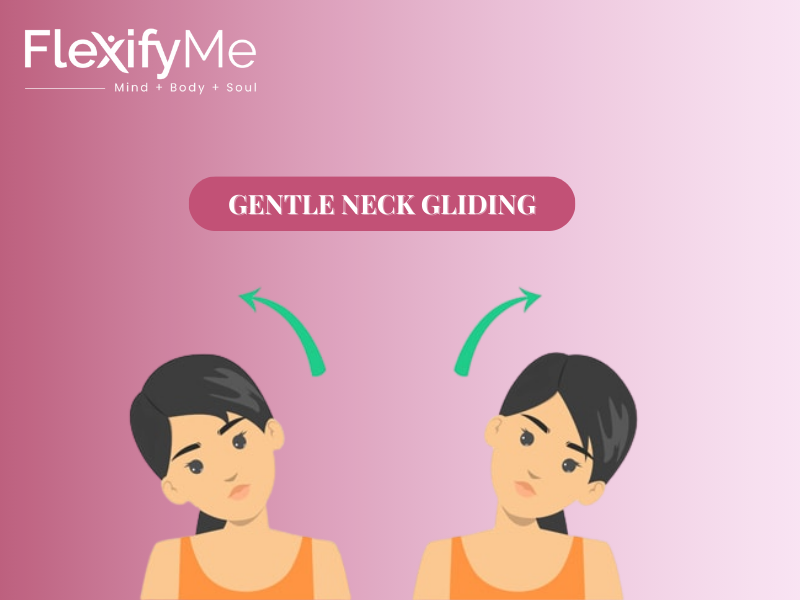
One of the most effective exercises for cervical spondylosis, the gentle neck gliding is easy to conduct and does not induce in side effects.
- You either remain seated or standing to conduct this exercise.
- Make sure that your spine is erect while you perform the gliding movement.
- Now, slowly tilt your head towards one side and try to touch your ears to your shoulder or at least bring them close. However, do not raise your shoulders to achieve contact.
- Hold this position for a few seconds before doing the same thing on the opposite side.
- Try to do 10 repetitions on each side during the cycle.
By gliding your neck, you enhance the flexibility of your cervical region and gently stretch the muscles to release the tension around the neck. Regular practice can reduce discomfort around the cervical spine region and create better posture.
2. Swift Neck Swivels
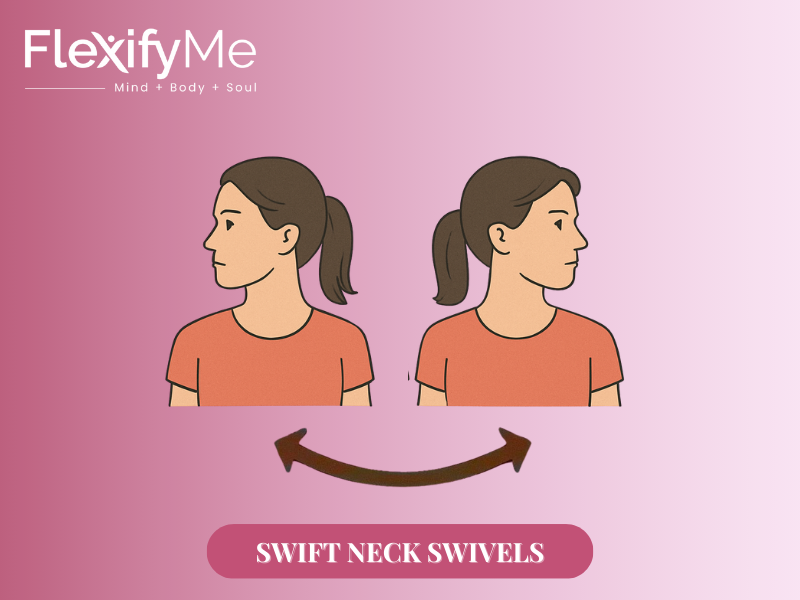
This is another vital exercise that enhances neck mobility and alleviates the symptoms of cervical spondylosis. Here’s how to perform the exercise:
- You can be in your seated position or standing to perform the exercise. Ensure that your head is centred around the spine.
- First, you need to turn your head towards the right in such a way that it appears like you are looking over your shoulder.
- Hold this posture for a few seconds and do the same on the left side.
- 10 repetitions of this exercise aim to enhance the flexibility of the neck over time.
The muscles in the cervical spine region are gradually loosened with the rotational motion, and it is especially beneficial if you are facing stiffness around the neck.
3. Chin Tuck Exercise
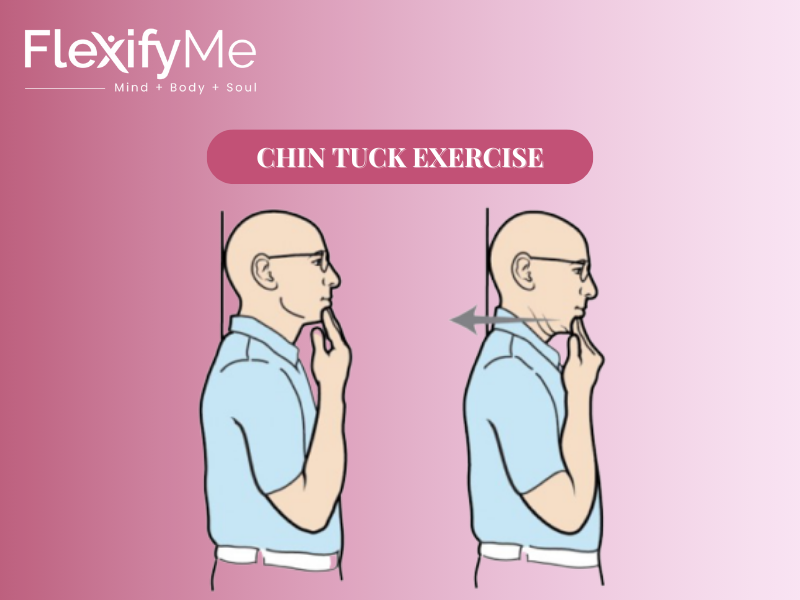
Here is an effective physiotherapy regimen for cervical spondylosis patients to conduct at home. By strengthening muscles such as the deep neck flexor muscles, one can get back improved posture with consistent practice.
- Initially, you need to either sit or stand with your spine straight.
- Pull your head in such a way as if you are trying to make a double chin.
- Make sure that your eyes and nose are pointing forward throughout the process.
- Hold this posture for 5 seconds and then release to repeat.
- Practice it in sets of 10 repetitions every day.
The chin tuck exercise addresses the deep flexor muscles in the neck region, and with regular practice, one can gain back the strength and adequate posture. Your forward head posture is also improved with the Chin Tuck Exercise included in the list of exercises for cervical spondylosis.
4. Shoulder Waves In Circles
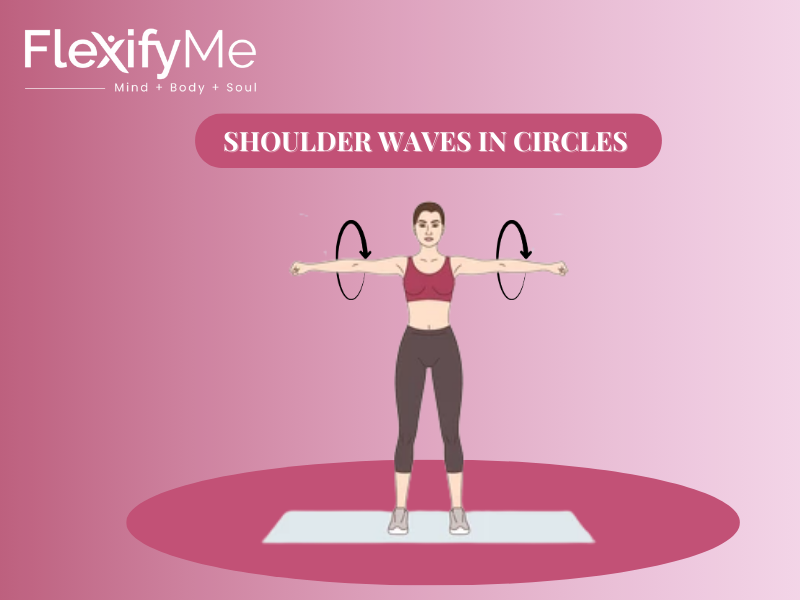
One of the most crucial cervical spondylosis exercises includes the shoulder waves in circles. Here’s how to do it right:
- Relax your shoulders and allow the muscles in your arms to rest.
- Now, slowly rotate your shoulders in a clockwise direction and halt for a moment.
- Repeat the circular motion in the anticlockwise direction to complete the circle.
- This is called creating waves, and you can practise this for sets of 10 clockwise and 10 anti-clockwise rotations.
This exercise is highly useful in reducing tension in your shoulder pain, and the circular motion allows the muscles in the cervical region to loosen up. By alleviating pain and stress, this is one of the best exercises for cervical spondylosis.
5. Pillow Press Headlift
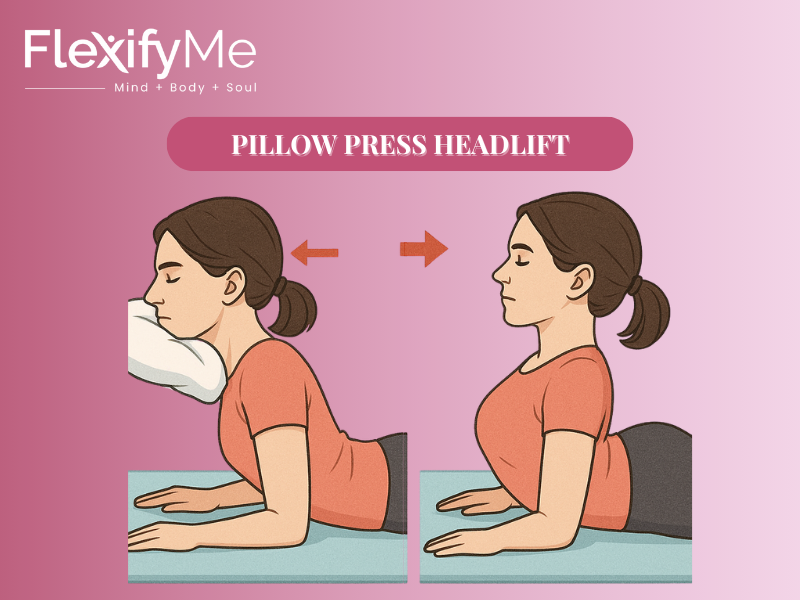
Here is how you can conduct pillow press headlift, another effective exercise for cervical spondylosis.
- Initially, you need to lie down on a mat and then place a pillow under your head to offer support.
- Ensure that your chin is tucked and slowly lift your head above the pillow as much as you can. Make sure that your neck is straight while your head is lifted.
- Hold your head in the air for a few seconds before releasing.
- Try at least 5 to 10 repetitions of this exercise in a single set.
To create muscle endurance, exercises like head lifts are highly crucial. The muscles for this position are the deep flexor muscles, which toughen with age. Ensuring that your flexor muscles gain back strength is essential to provide support to the neck. This also reduces the risk of straining while performing regular activities. By enhancing neck flexibility, the overall stability of the cervical spine region is enhanced.
Non-Surgical Methods of Relief
Along with exercises for cervical spondylosis, one can take primary measures of relief to reduce the pain and find temporary comfort. Here are some measures to deal with cervical spondylosis on a preliminary scale:
- Physical therapies: One can regain mobility around the neck region with physical therapies. However, before engaging in physiotherapies, you must talk to your healthcare provider about the procedures that are safe for you.
- Mild medications: Certain pain-relieving tablets can create a mild effect on the aches and reduce them somewhat. Sprays for reducing pain are also effective for immediate relief. However, these are short-term, and you should take necessary measures to address cervical spondylosis.
- Hot and cold pads: Hot and cold compressions are given around the muscles of the neck and cervical region to create a soothing effect and provide temporary relief.
- Using a neck brace: Some use soft but firm neck braces to support the region and prevent unnecessary turns and twists that can worsen the aching condition.
- Pain relief Injections: Corticosteroid injections are often given to patients with acute cervical spondylosis aches. These are also called trigger point injections and help reduce numbing sensations around the cervical region of the spine.
Conclusion
A range of symptoms is likely to show up with the onset of cervical spondylosis. With stiffness and pain around the neck region, it becomes difficult to conduct regular chores like reading, writing, walking, sitting or pulling weights. With lifestyle changes and incorporating exercises for cervical spondylosis in your daily routine, you can address the symptoms promptly and find relief from the prolonged discomfort.
Although there is no significant cure to cervical spondylosis, it can be managed effectively with exercises, yoga and postures. Speak to a healthcare professional about your symptoms and get treated today.
Frequently Asked Questions for Exercises for Cervical Spondylosis
1. What is cervical spondylosis and how can exercise help?
Cervical spondylosis is age-related wear and tear affecting the neck (cervical spine). It can cause neck pain, stiffness, headaches, or nerve-related symptoms.
Regular neck and shoulder exercises help:
- Improve flexibility
- Strengthen neck muscles
- Relieve pain and stiffness
- Improve posture and reduce nerve compression
2. What are the best exercises for cervical spondylosis?
Here are safe and effective exercises commonly recommended:
- Neck tilts (forward/backward)
- Neck rotations (side to side)
- Chin tucks (improve posture)
- Shoulder shrugs and rolls
- Isometric neck exercises (gentle pressure against your hand)
- Scapular retraction (pulling shoulder blades together)
3. How often should I do these exercises?
Most physiotherapists recommend doing them once or twice daily, with 8–10 repetitions per movement. Consistency is key to long-term relief.
4. Are these exercises safe to do at home?
Yes, but it’s best to consult a physiotherapist first to ensure they’re suitable for your specific condition and severity.
5. Can exercises cure cervical spondylosis completely?
Exercise won’t reverse the condition but can significantly reduce symptoms, slow progression, and improve quality of life when done regularly.
6. Should I avoid any movements with cervical spondylosis?
Avoid:
- Jerky or high-impact neck movements
- Heavy lifting or prolonged overhead work
- Poor posture during mobile or computer use
If an exercise increases pain, stop immediately and consult a physiotherapist.
7. What posture tips go along with cervical spondylosis exercises?
- Keep your screen at eye level
- Use a firm pillow for sleeping
- Take frequent breaks from screens
- Sit with shoulders back, neck aligned
8. Can yoga help with cervical spondylosis?
Yes! Yoga, when tailored for cervical issues, helps improve flexibility, reduce tension, and promote relaxation. Poses like Cat-Cow, Thread the Needle, and gentle neck stretches can be beneficial.
9. When should I stop exercising and seek medical help?
Stop immediately and seek help if you experience:
- Radiating pain to arms or hands
- Numbness or tingling
- Loss of balance or coordination
- Severe neck pain or stiffness
10. Where can I learn guided exercises for cervical spondylosis?
You can join a personalized physiotherapy session online or offline. A trained physiotherapist can assess your condition and guide you safely.