


 ₹https://clinics.flexifyme.com/flexifyme/pune/hinjewadi/flexifyme-advanced-physiotherapy-clinic-in-hinjewadi-pune--7gAsKd/articles/sports-rehabilitation-in-hinjewadi-pune-physiother--ec91b607-cbf1-4560-a405-5884fe1912d1
FlexifyMe Advanced Physiotherapy Clinic, Hinjewadi, pune
Physiotherapy Clinic in Hinjewadi, Pune, Maharashtra
No 3/1, Second Floor, Hinjawadi Phase II, Rajiv Gandhi Infotech Park, Hinjewadi, pune, maharashtra - 411057Request A Call Back
FlexifyMe Advanced Physiotherapy Clinic Social Feeds in Hinjewadi, pune
Sports Rehabilitation in Hinjewadi, Pune: Physiotherapy for Faster and Safer Recovery From Injuries
A sports injury can interrupt your training routine, affect your performance and make you uncertain about when you can return to your favourite activity. Whether you play cricket on weekends, run regularly, train at the gym or participate in competitive sports, recovering well involves more than waiting for the pain to settle.
Sports rehabilitation helps address the effects of an injury and supports a gradual return to movement and sporting activity. The right approach depends on the injury, its severity, your physical condition and the demands of your sport.
If you are looking for sports injury treatment in Hinjewadi, Pune, understanding the recovery process can help you make informed decisions and avoid returning to demanding activity before you are ready.
Who can benefit from sports rehabilitation?
Sports rehabilitation is relevant to more than professional athletes. Recreational players, fitness enthusiasts and people returning to exercise after a break may also need support following an injury.
It can be considered after injuries or movement problems affecting the muscles, joints, tendons and ligaments. Examples include ankle sprains, muscle strains, knee injuries, shoulder problems and some overuse injuries.
The appropriate treatment depends on the diagnosis. A suspected fracture, major ligament injury or other significant injury may require medical assessment before rehabilitation exercises begin.
Sports rehabilitation may help people who want to:
Restore movement and strength after an injury.
Improve balance, coordination and physical control.
Gradually resume running, gym training or sports practice.
Address movement limitations that affect performance.
Follow a structured plan for returning to physical activity.
Not every injury needs the same programme. An assessment helps determine what is appropriate for your condition and goals.
What should you do immediately after a sports injury?
The first priority is to protect yourself from further injury and identify whether medical attention is necessary.
Protect the injured area
Stop the activity that caused the pain. Continuing to play or train through a suspected significant injury may aggravate the problem.
Depending on the injury, relative rest, support or temporary changes to weight-bearing may be appropriate. Complete immobilisation is sometimes necessary, but it should not be assumed to be the right approach for every injury.
Manage swelling and discomfort appropriately
If swelling develops, follow suitable first-aid guidance. Applying a wrapped cold pack for short periods may help ease discomfort in some acute injuries. Avoid applying ice directly to the skin.
Medication is not suitable for everyone, so ask a healthcare professional or pharmacist for advice about pain relief and anti-inflammatory medicines.
Avoid repeatedly testing the injury
Repeatedly sprinting, jumping, stretching or lifting to check whether an injury still hurts can place unnecessary stress on the affected area. Follow appropriate advice and return to activity gradually.
Know when to seek medical attention
Arrange prompt medical assessment if you cannot bear weight, have substantial or rapidly developing swelling, notice a joint deformity, experience numbness or suspect a fracture or major tear. A sudden snap or pop accompanied by severe pain or loss of function also warrants assessment.
Severe injuries should not be managed through a self-directed exercise programme alone.
What does a sports rehabilitation assessment involve?
A suitable rehabilitation plan starts with understanding the injury and how it affects your activities. The assessment should consider more than the location of the pain.
Depending on your condition, a physiotherapist may review:
Injury history: How the injury happened, when symptoms started and what movements make them better or worse.
Movement and mobility: The available range of movement and any restrictions.
Strength and control: Whether weakness or difficulty controlling movement affects everyday or sporting tasks.
Balance and coordination: Relevant when an injury affects stability or the ability to move confidently.
Activity and training history: Recent changes in training volume, intensity, frequency, equipment or playing conditions.
Sport-specific demands: The movements, speed, endurance and physical requirements involved in your chosen activity.
Recovery goals: The activities you want to resume and any medical advice or restrictions that must be followed.
Not every test is suitable immediately after an injury. For example, hopping, sprinting and change-of-direction tests may be inappropriate when the injury is still acute or a significant structural injury has not been ruled out.
How FlexifyMe approaches assessment
FlexifyMe uses AI-assisted posture analysis, gait and movement analysis, foot and pressure analysis, and expert clinical assessment to evaluate posture, movement patterns, and loading. These findings help physiotherapists plan care according to individual needs.
The website also lists sports performance assessments among its advanced therapy options. Sports-related rehabilitation expertise is described on selected physiotherapist profiles.
The appropriate assessment and services depend on the individual's needs and the available centre. AI-assisted movement analysis should be understood as one source of assessment information, not a standalone diagnosis of a sports injury.
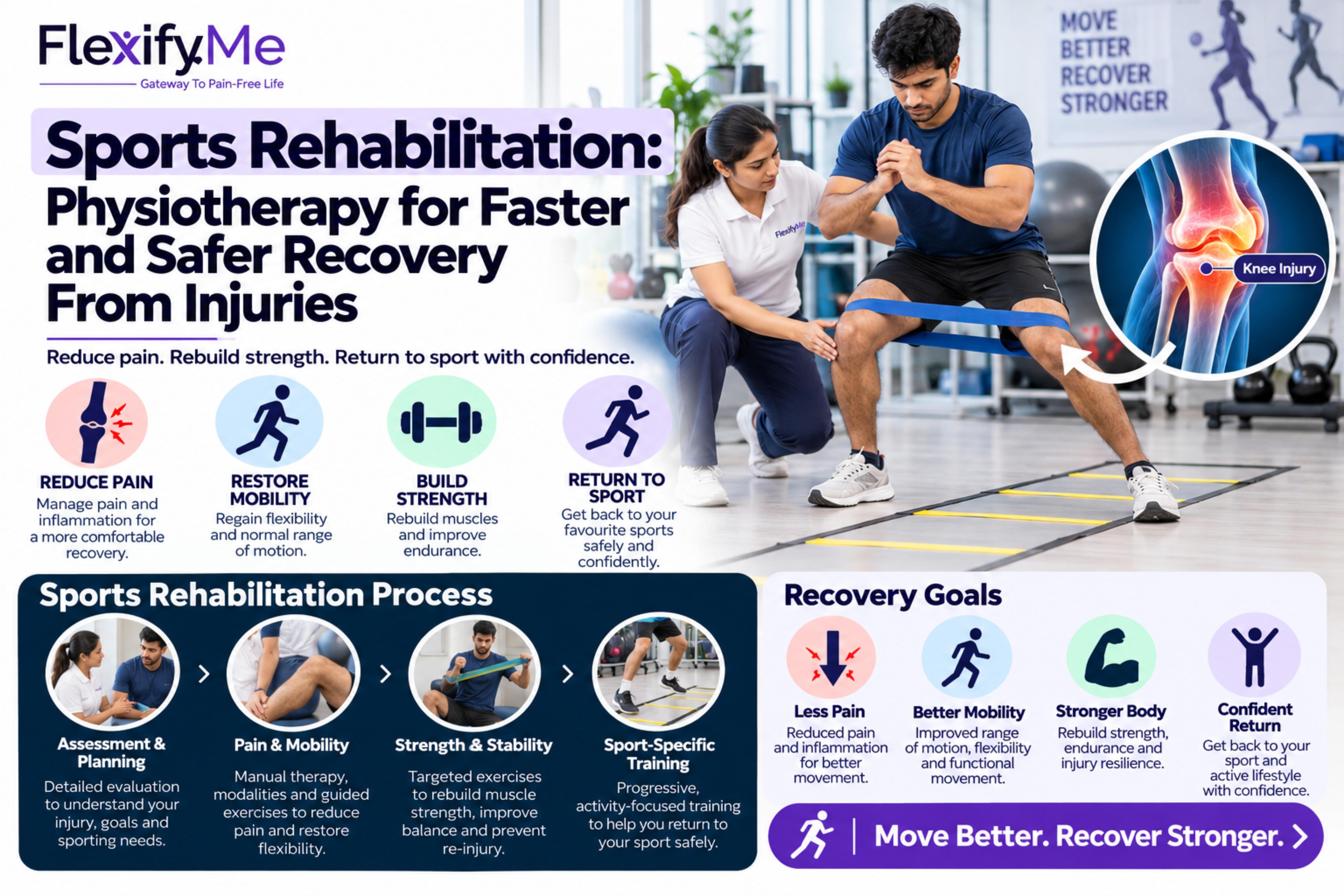
The main stages of sports injury recovery
Recovery usually involves progressing from protecting the injured area to restoring function and gradually reintroducing the demands of sport. The exact sequence, exercises and duration depend on the injury and any medical restrictions.
1. Manage symptoms and protect the injury
Early rehabilitation focuses on appropriate protection, symptom management and maintaining movement where it is safe to do so.
Depending on the injury, this may involve gentle movement, carefully selected exercises or following instructions about support and weight-bearing. Some injuries need a period of immobilisation or specialist treatment before exercise progresses.
The goal is to avoid unnecessary stress while preparing for the next stage of recovery.
2. Restore mobility and basic strength
As the injury permits, rehabilitation may progress towards improving joint movement, muscle activation and basic strength.
Exercises should be selected for the affected area and adjusted according to your response. Someone recovering from an ankle sprain may need different exercises from a runner with a hamstring strain or a player with a shoulder injury.
Progress should be based on the injury's requirements and clinical guidance rather than a fixed number of days.
3. Build strength and physical capacity
Once basic movement is improving, rehabilitation can focus on rebuilding the strength and endurance required for everyday activities and sport.
Depending on the injury, exercises may target the affected muscles and related muscle groups. Training may also address balance, coordination and control.
The objective is to prepare the body for progressively greater demands. Being able to perform one movement comfortably does not necessarily mean the body is ready for repeated high-intensity efforts.
4. Reintroduce sport-specific movements
Different sports place different demands on the body. Running, jumping, landing, throwing, tackling and changing direction require different combinations of strength, speed, coordination and control.
When appropriate, rehabilitation may progress to sport-specific movements. The intensity and complexity should increase gradually and match the injury, recovery stage and sporting requirements.
Do not begin sprinting, jumping or sharp directional changes simply because walking has become comfortable. These activities may place substantially different demands on the injured area.
5. Progress from training to competition
Returning to sport can involve several steps, including modified practice, progressively more demanding training and eventual competition.
The appropriate progression depends on the injury and the sport. Some people need medical clearance or specific rehabilitation criteria before returning to full activity.
Completing a demanding training session without significant symptoms may provide useful information, but readiness should also consider strength, movement quality, recovery and any injury-specific requirements.
How do you know when you are ready to return to sport?
Reduced pain is encouraging, but it is not the only factor to consider when returning to training or competition.
Depending on the injury, readiness may involve:
Suitable range of movement: Movement is adequate for the activities required by your sport.
Restored strength: The affected area can tolerate the necessary physical demands.
Balance and movement control: You can perform relevant movements with appropriate control.
Sport-specific capacity: Running, jumping, throwing or changing direction can be reintroduced safely when appropriate.
Response to training: Symptoms and swelling are monitored during activity and afterwards.
Confidence: You feel prepared to perform the movements involved, with any concerns addressed as part of rehabilitation.
Professional guidance: Medical restrictions and injury-specific return-to-sport recommendations have been followed.
These are general considerations rather than a universal clearance checklist. Some injuries require specific strength tests, functional testing or medical approval before unrestricted participation.
A physiotherapist can help you understand the relevant milestones and determine when your programme can progress. The aim is to make the return to sport appropriate for your condition rather than relying on a date alone.
Why can sports injuries happen again?
There is no single reason for every repeat injury. However, several factors may affect recovery and the risk of another problem.
Returning before physical capacity is restored
Everyday activities may become comfortable before the body is ready for intense training. Increasing the demands too quickly can expose the injured area to loads it is not prepared to handle.
Incomplete rehabilitation
Stopping rehabilitation as soon as symptoms improve may leave strength, mobility or movement-control limitations unaddressed. Continue following the plan agreed with your healthcare professional.
Sudden changes in training load
A rapid increase in distance, intensity, training frequency or competition demands can exceed your current capacity. Gradual progression allows you to monitor how your body responds.
Persistent movement or strength limitations
Depending on the injury, weaknesses or movement difficulties may need attention before returning to demanding activity. A physiotherapist can assess relevant factors and recommend exercises where appropriate.
Insufficient recovery between sessions
Sleep, rest and appropriate spacing between demanding training sessions can support recovery. Your training plan should account for your current fitness, injury history and the demands of your sport.
Re-injury cannot always be prevented, but a suitable rehabilitation plan can help address relevant limitations and support a more informed return to activity.
Where in-clinic physiotherapy fits into sports rehabilitation
Physiotherapy may combine exercise, movement guidance and other treatments according to the injury and assessment findings. Hands-on techniques and additional modalities may be considered where appropriate, but they should not automatically replace the active rehabilitation needed for strength and function.
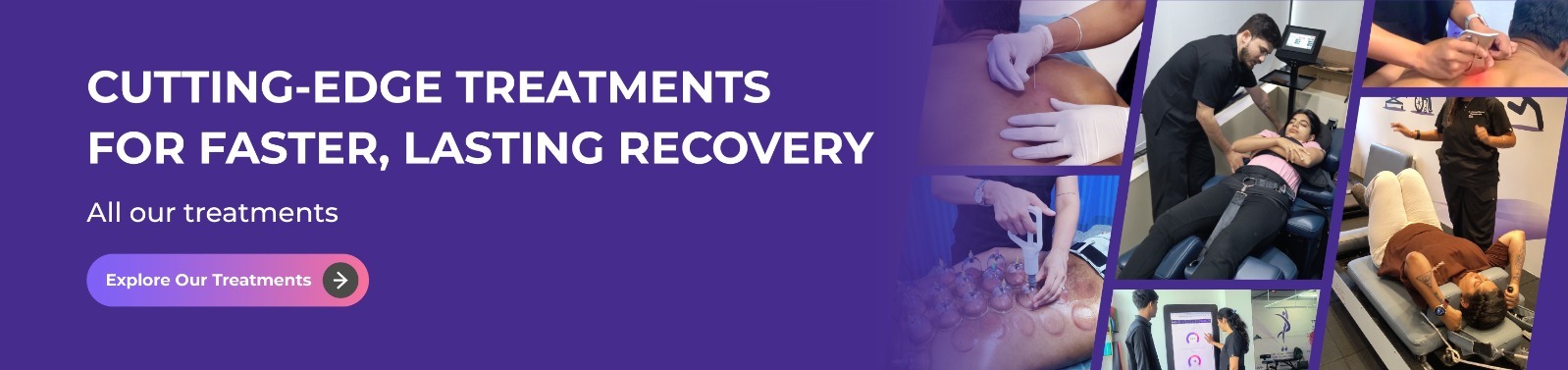
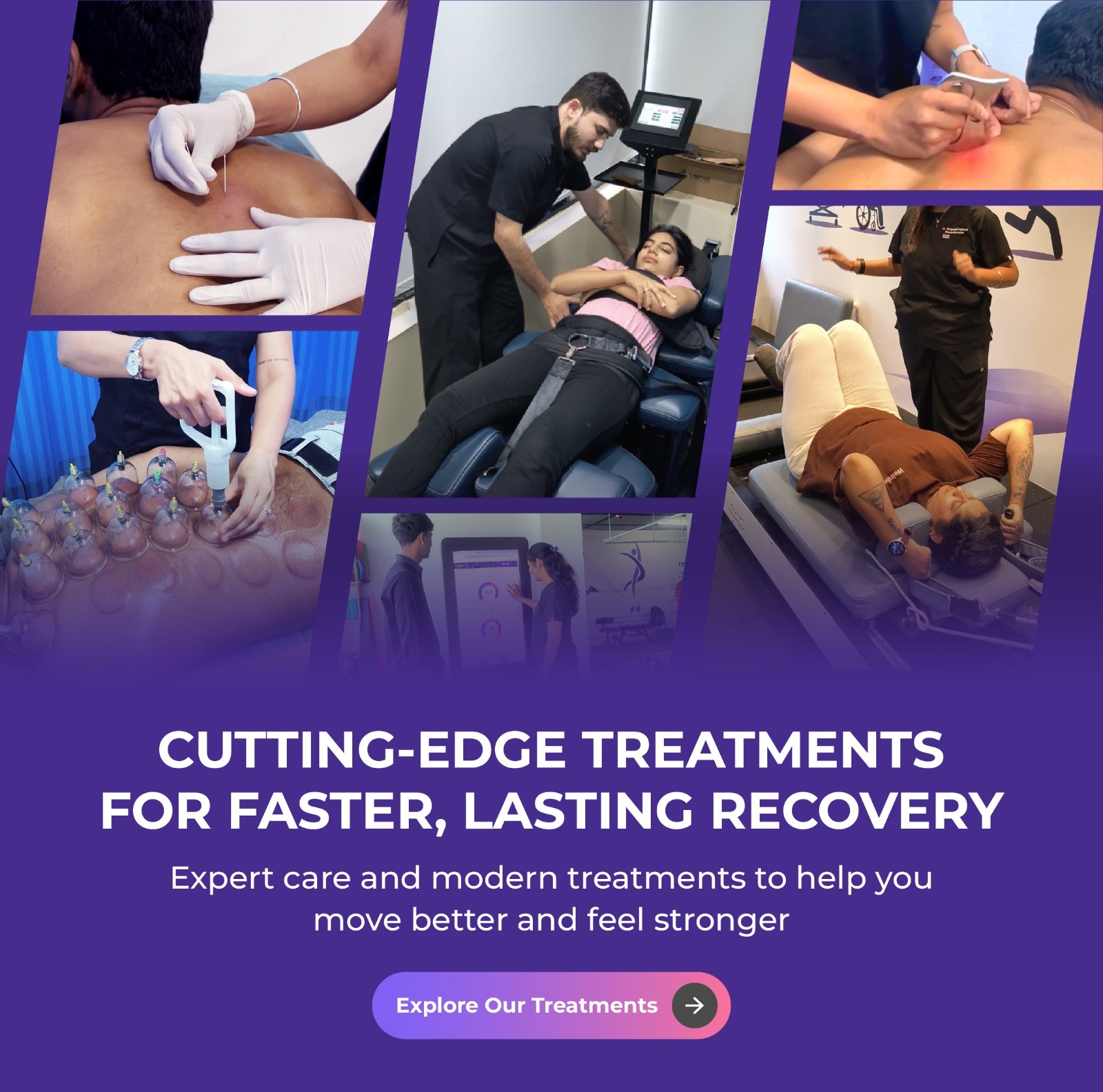
FlexifyMe offers therapies such as manual therapy, dry needling, cupping, cryotherapy, kinesiology taping, functional retraining, and gait training. Sports performance assessments are also available.
These services should not be assumed to be available at every centre or necessary for every sports injury. A physiotherapist can explain which options are appropriate for your condition and whether further medical assessment is needed.
If you are considering FlexifyMe for sports injury recovery, check the official website for current clinic locations, available services and appointment options.
Frequently Asked Questions
How long does sports injury recovery take?
Recovery time varies according to the type and severity of the injury, the treatment required, your general health and your response to rehabilitation. A minor injury and a major ligament injury may have very different recovery pathways. Follow injury-specific guidance rather than relying on a general timeline.
Can I continue training with a sports injury?
Sometimes, modified activity is possible, but it depends on the injury. Activities that do not place inappropriate stress on the affected area may be suitable in some cases. Avoid training through significant pain or suspected serious injury, and seek professional advice about safe alternatives.
Is stretching enough to prevent sports injuries?
Stretching alone cannot prevent every sports injury. Depending on the sport and the individual, a broader programme may include strength training, balance, coordination, suitable warm-ups and gradual increases in training load.
Do I always need a scan after a sports injury?
No. The need for imaging depends on the injury, symptoms and findings from the clinical assessment. A healthcare professional can determine whether imaging or further investigation is appropriate.
How do I find a physiotherapist near me for a sports injury?
When searching for a physiotherapist near me or physiotherapy near me, look for a qualified professional who assesses your injury, explains your rehabilitation plan and considers the physical demands of your sport. Ask whether the service is suitable for your condition and whether medical clearance is needed before you return to activity.
If you are considering FlexifyMe, verify the relevant services and clinic availability through its official website.
Return to Sport With a Plan
Recovering from a sports injury involves understanding the problem, rebuilding the abilities affected by it and gradually returning to the demands of your chosen activity. Progress should reflect your condition and functional readiness, not just the number of days since the injury.
If you are exploring sports rehabilitation in Hinjewadi, Pune, consider a professional assessment to understand your movement, recovery needs and suitable next steps.
FlexifyMe offers physiotherapy services that include expert clinical assessment, AI-assisted posture and movement analysis, and personalised treatment planning. Sports-related services and individual therapies may vary by centre, so check the official website www.flexifyme.com before booking.
This article is for general information only and is not a substitute for professional medical advice, diagnosis or treatment. Seek prompt medical assessment for suspected serious injuries, inability to bear weight, substantial swelling, joint deformity or numbness after an injury.