







 ₹https://clinics.flexifyme.com/flexifyme/pune/hinjewadi/flexifyme-advanced-physiotherapy-clinic-in-hinjewadi-pune--7gAsKd/articles/plantar-fasciitis-treatment-in-hinjewadi-pune-how---9f6688f8-d1d5-44b4-9ed7-d12427fd0164
FlexifyMe Advanced Physiotherapy Clinic, Hinjewadi, pune
Physiotherapy Clinic in Hinjewadi, Pune, Maharashtra
No 3/1, Second Floor, Hinjawadi Phase II, Rajiv Gandhi Infotech Park, Hinjewadi, pune, maharashtra - 411057Request A Call Back
FlexifyMe Advanced Physiotherapy Clinic Social Feeds in Hinjewadi, pune
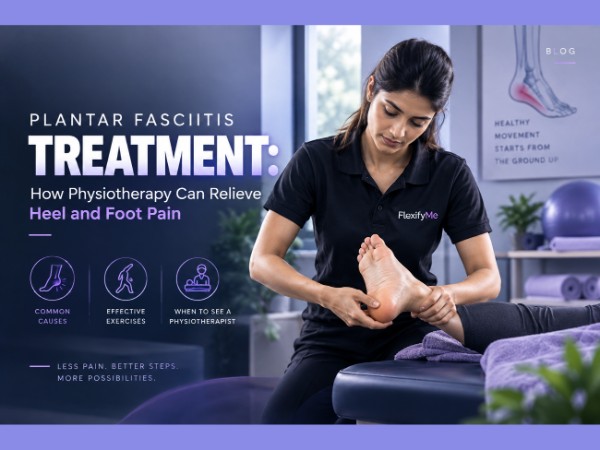
Plantar Fasciitis Treatment in Hinjewadi, Pune: How Physiotherapy Relieves Heel and Foot Pain
That sharp pain under your heel when you take your first steps in the morning is hard to ignore. You may notice it after getting out of bed, standing up after sitting for a while, or after spending a long day on your feet.
One common cause of this type of heel pain is plantar fasciitis. It can affect walking, exercise, work and even simple activities around the house.
If you are experiencing persistent heel pain in Hinjewadi or elsewhere in Pune, physiotherapy can be part of a structured approach to managing the condition. FlexifyMe's official content specifically discusses plantar fasciitis, foot pain, stretching, strengthening and physiotherapy-based care.
What Is Plantar Fasciitis?
The plantar fascia is a strong band of tissue running along the bottom of the foot. It helps support the foot while you stand and walk.
Plantar fasciitis is commonly associated with pain around the heel and bottom of the foot. A classic symptom is sharp heel pain during the first steps after waking up. Pain may also return after sitting for a long time or following physical activity.
The condition can become particularly frustrating because the pain may improve after moving around, only to return later.
What Can Cause Plantar Fasciitis?
Several factors can contribute to plantar heel pain.
Sudden Changes in Activity
A sudden increase in running, walking, standing or other physical activity can place additional stress on the foot.
For example, symptoms may appear after:
Starting a new running routine
Increasing walking distance
Spending longer hours standing at work
Increasing exercise intensity
Taking part in activities that place repeated load on the feet
Footwear
Unsupportive or poorly fitting footwear can contribute to foot discomfort. FlexifyMe's foot-pain content also identifies inappropriate footwear and prolonged standing among factors associated with foot pain.
If your shoes are worn out, too loose, too tight or unsuitable for the activity, changing them may be worth considering.
Tight or Weak Muscles
The muscles around the calf and foot influence how your foot moves and handles load.
FlexifyMe's plantar fasciitis content highlights stretching and strengthening as important parts of managing the condition.
Increased Load on the Feet
Long periods of standing, increased activity and higher loads through the feet can contribute to foot discomfort. Identifying what changed before your symptoms started can help a physiotherapist understand the problem more clearly.
What Does Plantar Fasciitis Feel Like?
The symptoms can vary from person to person, but common features include:
Sharp pain under the heel, particularly during the first steps in the morning
Pain after getting up following a period of sitting
Tenderness around the heel or arch
Foot discomfort after prolonged standing or walking
Pain that becomes noticeable after exercise or increased activity
The pattern of symptoms can help a physiotherapist determine whether plantar fasciitis is a likely cause or whether another foot problem should be considered.
How Can Physiotherapy Help Plantar Fasciitis?
Physiotherapy does not have to mean simply stretching the painful area. A physiotherapist can assess your symptoms and movement before creating an appropriate plan.
FlexifyMe describes its physiotherapy approach as personalised care based on assessment, with physiotherapists using therapeutic exercises and other physiotherapy techniques according to the individual's condition and recovery goals.
1. Stretching Exercises
Stretching can be useful for improving flexibility around the calf and foot.
FlexifyMe's plantar fasciitis guidance includes several stretches, including calf stretches, towel stretches and plantar fascia stretches.
Examples include:
Wall calf stretch
Towel stretch
Plantar fascia stretch
Bent-knee calf stretch
The right exercise and intensity depend on your symptoms, so exercises should not be treated as a one-size-fits-all programme.
2. Strengthening Exercises
Strengthening is an important part of plantar fasciitis rehabilitation.
FlexifyMe's plantar fasciitis guidance includes strengthening exercises for the calves and foot muscles, including heel raises and toe-related exercises.
Strengthening can be gradually progressed as your ability improves.
3. Manual Therapy
Manual therapy is one of the physiotherapy techniques listed by FlexifyMe. Its official treatment information describes personalised physiotherapy programmes that can include manual therapy alongside therapeutic exercises and other evidence-based techniques.
Whether manual therapy is appropriate depends on the individual assessment.
4. Dry Needling for Foot Pain
FlexifyMe also publishes information about dry needling for foot pain. Its official content discusses its use around myofascial trigger points and surrounding muscles and notes that it may be used alongside exercises and other treatment approaches.
It should not automatically be considered necessary for every person with plantar fasciitis. A qualified professional should determine whether it is appropriate for your symptoms.
5. Movement and Activity Guidance
Completely stopping every activity is not necessarily the answer.
Your physiotherapist can help you understand which activities are currently aggravating your symptoms and how activity can be adjusted while you work on mobility and strength.
This may involve temporarily modifying running, walking or prolonged standing and gradually returning to your normal activity.
Plantar Fasciitis Exercises You Can Try
FlexifyMe's published plantar fasciitis guidance includes several exercises that target the calf, plantar fascia and foot muscles.
Wall Calf Stretch
Stand facing a wall with one foot behind the other. Keep the back heel on the floor and gently lean towards the wall.
You should feel a stretch through the calf rather than forcing the movement.
Towel Stretch
Sit with your leg extended and place a towel around the foot. Gently pull the towel towards you to stretch the calf and underside of the foot.
Plantar Fascia Stretch
Sit comfortably and cross one ankle over the opposite knee. Gently draw the toes back towards the shin to create a stretch along the bottom of the foot.
Heel Raises
Stand with support nearby and slowly raise your heels before lowering them again.
As your strength improves, the exercise can be progressed under appropriate guidance.
Foot and Toe Exercises
FlexifyMe's plantar fasciitis guidance also discusses exercises such as towel toe curls to work the smaller muscles of the foot.
Do not push through sharp or worsening pain. If an exercise consistently makes your symptoms worse, stop and seek professional advice.
Footwear Tips for Heel Pain
Your footwear can influence how comfortable your feet feel during the day.
Consider:
Choosing properly fitted shoes
Using footwear appropriate for your activity
Replacing shoes that are significantly worn
Avoiding footwear that causes obvious discomfort
Considering appropriate arch support if recommended for your individual needs
FlexifyMe's published foot-pain and plantar fasciitis content discusses supportive footwear and arch support as part of managing foot symptoms.
However, an insole or shoe change should not be treated as a replacement for an appropriate rehabilitation plan.
When Should You See a Physiotherapist?
Consider an assessment if:
Heel pain has continued for several weeks
Morning heel pain is affecting your daily routine
Walking or standing has become uncomfortable
You have reduced your normal activity because of foot pain
Symptoms repeatedly return after exercise
Home stretches and activity changes have not helped
You are unsure whether the pain is actually plantar fasciitis
A physiotherapist can assess the symptoms, movement and contributing factors before recommending an appropriate plan.
FlexifyMe states that its physiotherapy care begins with assessment and that treatment plans are personalised according to the individual's condition, symptoms and recovery goals.
Could Heel Pain Be Something Else?
Not every case of heel pain is plantar fasciitis.
Foot pain can have different causes, including injury, overuse, footwear-related problems and other musculoskeletal conditions. FlexifyMe's foot-pain content similarly emphasises the importance of identifying the underlying cause before selecting treatment.
Seek medical evaluation promptly if your heel pain is accompanied by:
Significant swelling
Redness or warmth
Numbness or tingling
A sudden injury
Difficulty putting weight on the foot
Severe or rapidly worsening pain
A proper assessment helps determine whether physiotherapy is appropriate or whether another form of medical evaluation is needed.
Frequently Asked Questions
What is the best treatment for plantar fasciitis?
There is no single treatment that is suitable for everyone. Plantar fasciitis treatment commonly involves exercise, stretching, activity modification and addressing factors that may be contributing to the symptoms. FlexifyMe's published plantar fasciitis guidance also discusses stretching, strengthening, footwear and physiotherapy approaches.
Can physiotherapy help plantar fasciitis?
Yes, physiotherapy can be used to manage plantar fasciitis. FlexifyMe specifically publishes plantar fasciitis guidance involving physiotherapy, stretching, strengthening and other treatment approaches.
What are the best plantar fasciitis exercises?
FlexifyMe's published exercises include calf stretches, towel stretches, plantar fascia stretches, heel raises and foot-strengthening exercises.
The appropriate exercises and progression depend on your symptoms and physical capacity.
Why does my heel hurt when I first get out of bed?
Morning heel pain is a common symptom associated with plantar fasciitis. The pain may reduce after you start moving and then return after sitting or prolonged activity.
Should I stop walking if I have plantar fasciitis?
Not necessarily. The amount of walking that is appropriate depends on your symptoms and activity level. Instead of completely stopping movement, it may be more useful to identify activities that aggravate the pain and modify them while following an appropriate rehabilitation plan.
Can dry needling help with foot pain?
FlexifyMe publishes dry needling information specifically for foot pain and discusses its use around myofascial trigger points. Whether it is suitable depends on an individual assessment.
Where can I get plantar fasciitis treatment in Hinjewadi?
If you are looking for plantar fasciitis treatment in Hinjewadi, Pune, choose a physiotherapy provider that begins with an assessment and creates a personalised plan based on your symptoms and movement. FlexifyMe offers personalised physiotherapy care and lists foot and ankle-related conditions among the areas addressed through its physiotherapy services.
Do Not Ignore Persistent Heel Pain
Plantar fasciitis can turn simple activities such as walking, exercising or standing into a daily struggle. The good news is that you do not have to rely only on rest or temporary pain relief.
Stretching, strengthening, activity management and appropriate physiotherapy can form part of a structured approach to managing plantar heel pain. FlexifyMe's official content specifically covers plantar fasciitis, foot pain, stretching, strengthening, manual therapy and dry needling.
If persistent heel pain is affecting your routine in Hinjewadi, Pune, consider getting it assessed rather than continuing to work around the pain. FlexifyMe provides personalised physiotherapy assessment and treatment based on individual conditions and recovery goals.
This article is for general information and is not a substitute for personal medical advice. Persistent, severe or unexplained heel pain should be assessed by an appropriate healthcare professional.