



 ₹https://clinics.flexifyme.com/flexifyme/pune/hinjewadi/flexifyme-advanced-physiotherapy-clinic-in-hinjewadi-pune--7gAsKd/articles/ganesh-chaturthi-safety-guide-for-hinjewadi-pune-h--21507401-f8be-495c-9e64-1de9e70ffbee
FlexifyMe Advanced Physiotherapy Clinic, Hinjewadi, pune
Physiotherapy Clinic in Hinjewadi, Pune, Maharashtra
No 3/1, Second Floor, Hinjawadi Phase II, Rajiv Gandhi Infotech Park, Hinjewadi, pune, maharashtra - 411057Request A Call Back
FlexifyMe Advanced Physiotherapy Clinic Social Feeds in Hinjewadi, pune
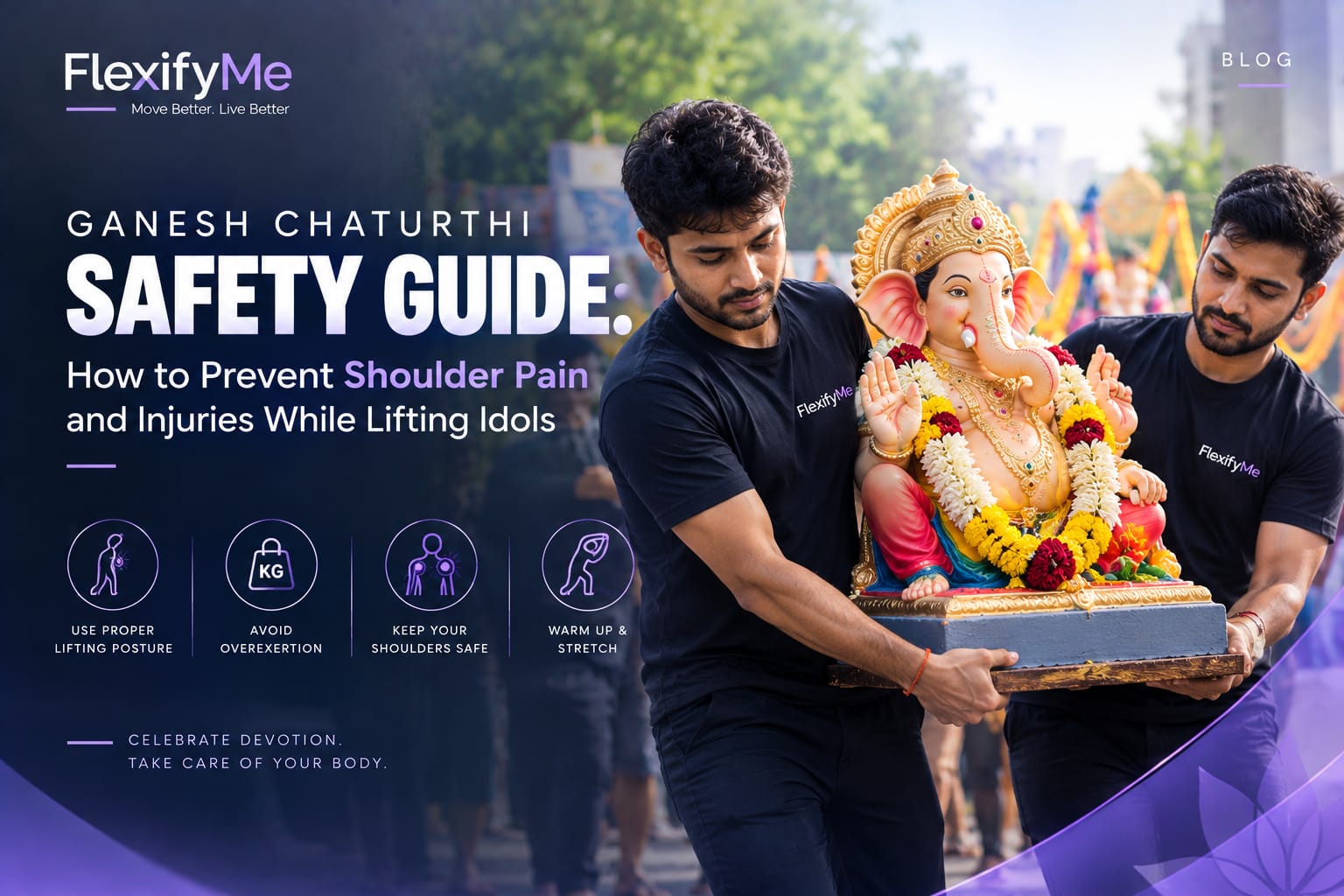
Ganesh Chaturthi Safety Guide for Hinjewadi, Pune: How to Prevent Shoulder Pain and Injuries While Lifting Idols
Every year during Ganesh Chaturthi, people come together to lift, carry and move idols as part of the celebrations. While the occasion is joyful, sudden physical exertion can place extra stress on the shoulders, neck and back, particularly when a person is not accustomed to lifting heavy loads.
The risk can increase when several people are carrying an uneven load, when the idol has to be lifted above shoulder height, or when the group needs to navigate stairs, turns or crowded areas.
The weight itself is not the only concern. Sudden, unfamiliar loading, poor lifting technique and fatigue can also increase the risk of strain.
If you are preparing for Ganesh Chaturthi in Hinjewadi and Pune, a few simple precautions can help make lifting and carrying safer.
Why Shoulder Pain Can Occur While Lifting an Idol
The shoulder allows a wide range of movement, but that mobility also means it relies heavily on surrounding muscles, tendons and other structures for stability.
During idol lifting and carrying, the shoulder may be placed under additional stress because of:
Lifting above shoulder height, particularly when the load is difficult to control
Holding a load for an extended period, which can increase muscular fatigue
Carrying the idol away from the body, which can increase the effort required to control the load
Sudden movements or changes in direction while walking through crowds or around obstacles
Uneven weight distribution, where one person ends up carrying more than others
Lifting without adequate preparation, especially if heavy physical activity is not part of your regular routine
Shoulder pain after such activity can have several possible causes. FlexifyMe's official shoulder-pain information lists conditions such as rotator cuff injuries, frozen shoulder, shoulder impingement, bursitis, arthritis, instability and postural issues among possible causes of shoulder pain.
Before Lifting: Simple Preparation Can Help
You do not need a complicated workout before the procession. However, taking a few minutes to prepare your body and organise the lift can make the activity more controlled.
Choose the Right Number of People
Do not rely on a small group if the idol is difficult to handle. Make sure there are enough people to distribute the load and maintain control.
If someone already has shoulder, back or other health concerns, they should avoid assuming they can safely carry a heavy load simply because they have done it before. When in doubt, medical or physiotherapy advice is more appropriate than testing the injury during the celebration.
Check the Route
Before beginning, identify potential challenges such as:
Stairs
Uneven surfaces
Narrow passages
Wet or slippery areas
Sharp turns
Low doorways
Crowded sections
Knowing where these obstacles are can help the group plan when to slow down or reposition the idol.
Decide Who Leads the Lift
One person should coordinate the movement so everyone lifts, walks and lowers the idol together.
A clear count before lifting can reduce the chance of people moving at different times.
Check the Grip
Make sure everyone has a stable and comfortable grip before the lift begins. Avoid making major adjustments while the idol is already being carried.
Warm Up With Gentle Movement
A short period of gentle movement can prepare the body for physical activity. You can consider:
Shoulder rolls
Gentle arm movements
Shoulder-blade squeezes
Bodyweight squats
A short walk
The goal is to get moving rather than perform aggressive stretching immediately before a heavy lift.
How to Lift an Idol More Safely
Get Close to the Load
When possible, keep the load closer to your body rather than holding it far away. A load held away from the body can require greater effort from the shoulders and back.
Bend Your Hips and Knees
Before lifting, bend your hips and knees and maintain a stable position. Avoid relying only on your back to raise the load.
Avoid Twisting While Lifting
If you need to change direction, move your feet instead of twisting your torso while carrying the weight.
Keep the Load Controlled
Try to keep the idol at a manageable height and position. If the load becomes difficult to control, stop and reorganise rather than continuing through poor technique.
Do Not Hold Your Breath
Maintain a controlled breathing pattern during physical exertion. If you find yourself struggling to breathe normally or maintain your position, the load or lifting arrangement may need to be reconsidered.
Carrying the Idol During the Procession
Lifting is only one part of the physical demand. Carrying the idol for an extended period can also lead to fatigue.
Keep these points in mind:
Keep the load as close to the body as practical.
Share the load among the group.
Take breaks before significant fatigue develops.
Reorganise the carrying position when necessary.
Slow down around stairs, turns and uneven surfaces.
Do not continue carrying if significant pain develops.
Stay hydrated, particularly during long outdoor processions and hot weather.
If the carrying position becomes uncomfortable, communicate with the rest of the group rather than trying to tolerate the discomfort silently.
Be Careful During the Visarjan Procession
The visarjan procession can involve prolonged walking, standing, carrying and repeated changes in movement.
Additional precautions can help:
Take regular breaks during long periods of activity.
Avoid sudden lifting after prolonged standing or walking.
Be particularly careful on wet or uneven surfaces.
Avoid carrying a heavy load when you are already significantly fatigued.
Stay hydrated throughout the procession.
If you are also playing a heavy musical instrument, change positions when practical to avoid continuously loading the same side.
Avoid sudden movements or dancing while carrying the idol.
The safest approach is to treat the procession as sustained physical activity rather than a single lifting event.
What to Do If Your Shoulder Hurts
If shoulder pain starts during lifting, stop carrying the load rather than trying to push through the pain.
For mild discomfort, avoid activities that clearly aggravate the shoulder and keep the joint moving gently within a comfortable range. Do not force painful movements or immediately return to heavy lifting.
Shoulder pain can have different causes, so persistent or significant symptoms should not automatically be assumed to be a simple strain.
FlexifyMe's official shoulder-pain guidance identifies symptoms such as persistent shoulder or upper-arm pain, stiffness or reduced range of motion, weakness while lifting or rotating the arm, worsening night pain, clicking or popping, and tingling or numbness as reasons to seek professional assessment.
When Should You Seek Medical Attention?
Seek prompt medical assessment if you experience:
Severe shoulder pain after a fall or accident
An obvious deformity
Inability to move or lift the arm
Significant weakness or numbness
Persistent or worsening pain
Symptoms that interfere with normal daily activities
Shoulder or arm pain accompanied by chest pressure, difficulty breathing, sweating or other possible cardiac symptoms requires urgent medical attention rather than routine physiotherapy.
How Physiotherapy Can Help With Shoulder Pain
If shoulder pain continues after Ganesh Chaturthi, physiotherapy may help determine what is contributing to the problem and develop an appropriate recovery plan.
According to the current official FlexifyMe shoulder-pain page, its assessment approach can include a detailed clinical assessment of posture, range of motion and strength, functional tests, and AI posture analysis at select locations. Imaging may also be recommended when required.
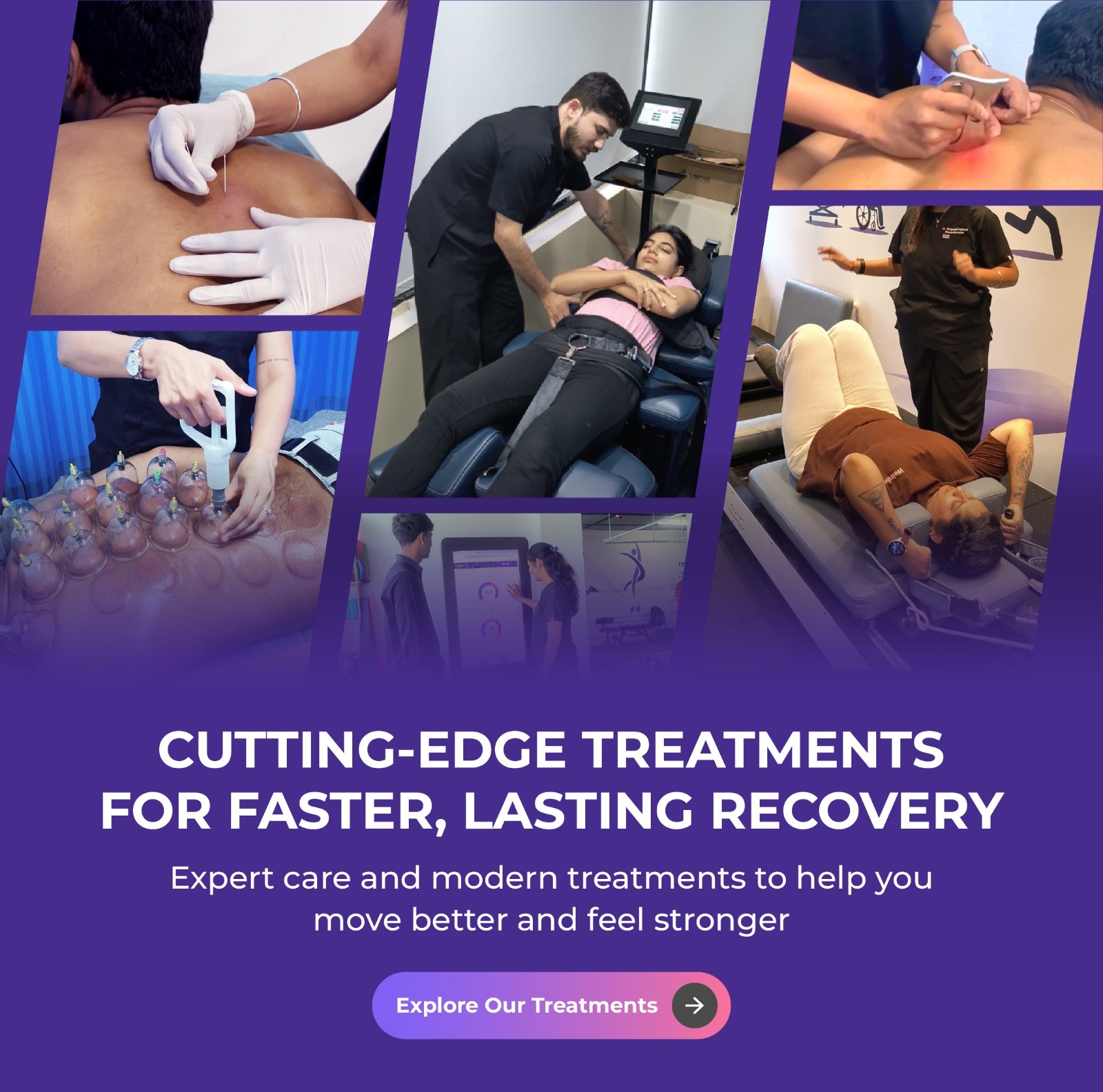
FlexifyMe's official shoulder-pain treatment information lists approaches including:
Manual therapy
Exercise therapy
Postural correction
Shoulder stabilisation training
Dry needling or cupping when appropriate
Personalised home exercise plans
The specific approach depends on the individual's condition and assessment rather than applying the same exercises to every shoulder problem.
FlexifyMe also offers online physiotherapy, while its physical physiotherapy services are available at specific locations. Therefore, availability should be checked for your location rather than assuming a FlexifyMe clinic is present in every Hinjewadi or Pune.
Frequently Asked Questions
How heavy is too heavy to lift?
There is no single weight that is safe for everyone. It depends on the person's strength, the size and shape of the load, how it is distributed, the distance it needs to be carried and the number of people sharing it.
If the group cannot maintain control, communicate properly or lift without significant strain, the lifting arrangement should be changed.
Should I wear a shoulder support while lifting?
A shoulder support should not be considered a substitute for safe lifting technique, adequate help and sensible rest breaks. If you already have a shoulder condition, speak with a healthcare professional about whether a support is appropriate for you.
Why does my shoulder hurt after lifting during the festival?
Sudden or unfamiliar physical activity can aggravate muscles, tendons or other structures around the shoulder. However, shoulder pain can have multiple causes, including rotator cuff problems, frozen shoulder, impingement, bursitis, instability and postural issues.
If pain persists, affects movement or keeps returning, consider getting the shoulder assessed rather than assuming it will resolve on its own.
Where can I find a physiotherapist near me after a festival injury?
Search for physiotherapy near me and check whether the provider offers assessment and treatment for shoulder pain. FlexifyMe provides physiotherapy for shoulder pain and has both physical and online care options, depending on location and service availability.
Is it safe to lift if I had shoulder pain last year?
Previous shoulder pain does not automatically mean you cannot participate, but recurring pain should not be ignored. If you currently have symptoms or the same problem returns repeatedly, consider getting assessed before taking on a heavy lifting role.
Celebrate Ganesh Chaturthi Without Unnecessary Shoulder Strain
Ganesh Chaturthi is a time for celebration, community and tradition. Safe lifting does not require complicated preparation. Start by having enough people, checking the route, coordinating the lift, keeping the load controlled and taking breaks before significant fatigue sets in.
If your shoulder becomes painful during or after the celebrations, do not simply continue lifting and hope the problem disappears. Persistent shoulder pain, weakness or restricted movement deserves proper assessment.
For people looking for shoulder pain treatment in Hinjewadi, Pune, FlexifyMe provides physiotherapy support for shoulder conditions through assessment-led and personalised care. Its official services include exercise therapy, manual therapy, postural correction, shoulder stabilisation and personalised home exercises, with online physiotherapy also available.
This article is intended for general information and does not replace an individual medical assessment. Seek urgent medical care for severe injury or shoulder/arm pain accompanied by symptoms such as chest pressure, breathing difficulty or sweating.