




 ₹https://clinics.flexifyme.com/flexifyme/pune/hinjewadi/flexifyme-advanced-physiotherapy-clinic-in-hinjewadi-pune--7gAsKd/articles/dussehra-idol-and-effigy-lifting-in-hinjewadi-pune--94ea816d-0ce2-42af-996e-7fd8a6f3c0c1
FlexifyMe Advanced Physiotherapy Clinic, Hinjewadi, pune
Physiotherapy Clinic in Hinjewadi, Pune, Maharashtra
No 3/1, Second Floor, Hinjawadi Phase II, Rajiv Gandhi Infotech Park, Hinjewadi, pune, maharashtra - 411057Request A Call Back
FlexifyMe Advanced Physiotherapy Clinic Social Feeds in Hinjewadi, pune
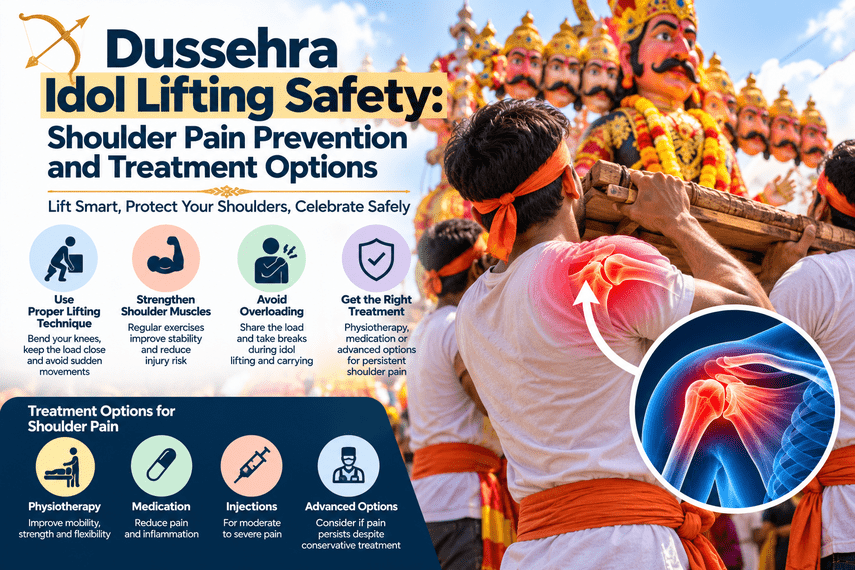
Dussehra Idol and Effigy Lifting in Hinjewadi, Pune: Shoulder Pain Prevention and Treatment
Introduction
Dussehra preparations can involve lifting and carrying idols, positioning effigies, assembling decorations and moving household items. These activities may put extra strain on your shoulders, especially if you are not used to heavy lifting or repeatedly working with your arms raised.
Across Hinjewadi and Pune, planning ahead can help reduce avoidable strain during festival preparations. Using suitable lifting techniques, sharing the load and taking breaks can make these tasks more manageable.
If you already have shoulder pain, do not assume it is just muscle soreness. The cause may be a muscle strain, a rotator cuff problem, a joint injury or pain referred from the neck. Understanding the symptoms and seeking appropriate care can help you decide what to do next.
Why Can Shoulder Pain Develop During Dussehra?
The shoulder allows your arm to move in many directions. Muscles, tendons and other structures work together to support this movement. Lifting heavy objects, reaching overhead or carrying a load away from your body can place extra demands on these structures.
Common factors that may contribute to shoulder pain during festival activities include:
Lifting overhead: Raising heavy objects above shoulder height can increase the demands on the shoulder muscles and tendons.
Carrying objects at arm's length: Holding a load away from your body can make it harder to control.
Repetitive movements: Repeated lifting, reaching and carrying can lead to fatigue and discomfort.
Sudden movements: An unexpected shift in the load or a loss of grip can strain the shoulder.
Uneven load distribution: If one person carries more weight than others, their shoulder may experience greater strain.
Existing shoulder problems: Previous injuries or ongoing pain may make lifting more difficult.
A rotator cuff injury is one possible cause of shoulder pain, but not every painful shoulder has a rotator cuff strain. Other conditions, including joint problems, frozen shoulder and neck-related pain, may produce similar symptoms.
How to Reduce Shoulder Strain While Lifting
Before You Lift
A few simple precautions can help you prepare for lifting idols, effigies or decorations.
Use enough people for the load. Make sure everyone can hold the object securely without struggling.
Check the route. Look for steps, uneven ground, slippery patches, narrow passages and obstacles before carrying the object.
Agree on clear instructions. Choose one person to coordinate when the group lifts, moves and lowers the load.
Check the grip. Make sure handles or support points are secure before moving.
Wear suitable footwear. Choose shoes that provide a stable grip and fit securely.
Consider existing injuries. Anyone with significant shoulder or back pain should avoid heavy lifting and seek advice about suitable alternatives.
Do not attempt to lift an object if the group cannot control it safely. Use appropriate lifting equipment or ask for additional help when needed.
Warm Up Before Physical Activity
If you are about to take part in lifting or other physical work, start with a few minutes of comfortable movement. Walking gently, moving your shoulders and bending and straightening your elbows can help you ease into activity.
Keep movements controlled and within a comfortable range. A warm-up does not eliminate the risk of injury, and it should not be used as a reason to attempt a load that is too heavy.
While Carrying the Load
Use these practical lifting principles:
Keep the object close to your body whenever possible.
Maintain a stable stance and bend your hips and knees as appropriate to the task.
Avoid twisting your torso while holding a heavy object. Turn your feet and body together instead.
Keep your arms in a comfortable position rather than reaching far away from your body.
Communicate with other people carrying the load so everyone moves together.
Take breaks and change tasks before fatigue makes it difficult to control the object.
Avoid lifting above shoulder height when a safer alternative is available.
The safest method depends on the object's size, weight, shape and the surroundings. If it is awkward to hold or difficult to control, do not rely on lifting technique alone. Reduce the load or use suitable equipment.
Lowering the Object Safely
Lowering a heavy object also requires coordination. Agree on when to lower it, move slowly and ensure everyone has stable footing. Keep hands and feet clear of pinch points, and do not let go until the object is securely supported.
If the load shifts unexpectedly, avoid trying to catch or hold it at any cost. Protect yourself and others from the risk of a fall or crush injury.
What Should You Do If Your Shoulder Hurts After Lifting?
If shoulder pain begins during or after festival preparations, stop the activity that triggered it. Continuing to carry heavy objects through sharp or worsening pain may aggravate the problem.
Consider these steps:
Avoid heavy lifting and overhead activity that increases the pain.
Keep the shoulder moving gently within a comfortable range if you can do so without worsening symptoms.
Try a wrapped cold pack for short periods if it feels helpful. Do not apply ice directly to your skin.
Avoid forcing stretches or strengthening exercises through sharp pain.
Seek medical advice if pain is severe, movement is significantly limited, or symptoms do not improve.
Complete immobilisation is not necessary for every shoulder problem, but the right approach depends on the injury. If you cannot lift your arm after an injury or suspect a dislocation or fracture, seek prompt medical assessment rather than attempting exercises at home.
Shoulder Pain Treatment Options
Shoulder pain treatment depends on its cause, severity and effect on daily activities. A clinician may assess your symptoms, shoulder movement, strength and medical history before recommending treatment. Imaging may be considered when needed.
Physiotherapy and Exercise-Based Rehabilitation
Physiotherapy may help improve shoulder movement, strength and function when appropriate for the underlying condition. Depending on the assessment, a rehabilitation plan may include:
Gentle range-of-motion exercises.
Gradual strengthening of the shoulder muscles.
Shoulder stability and movement-control exercises.
Advice on posture and everyday activities.
Guidance on returning to lifting and other physical tasks.
Exercises should be selected according to your condition and tolerance. There is no single programme or fixed recovery timeline that applies to every shoulder injury.
Manual Therapy and Other Physiotherapy Options
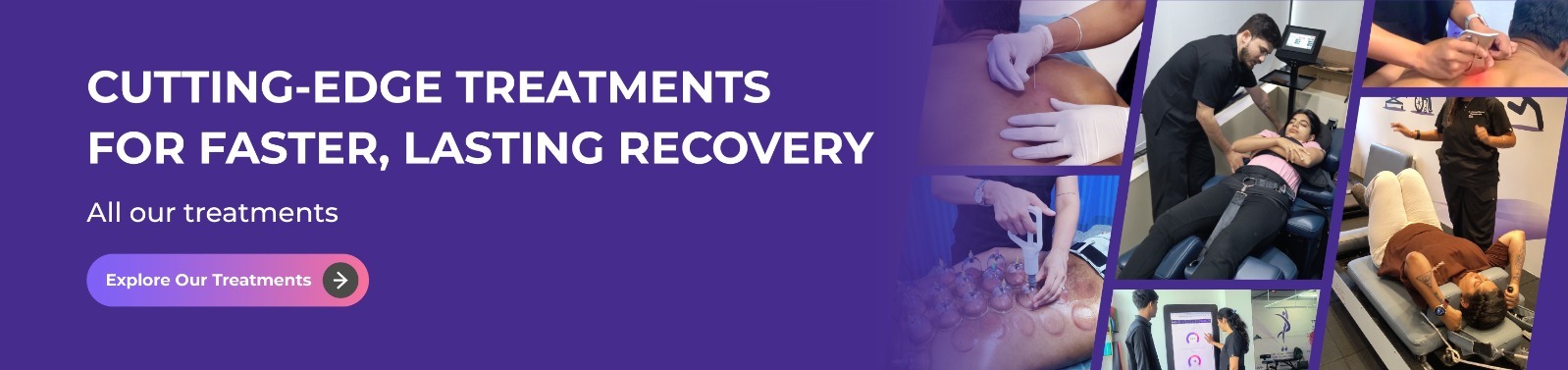
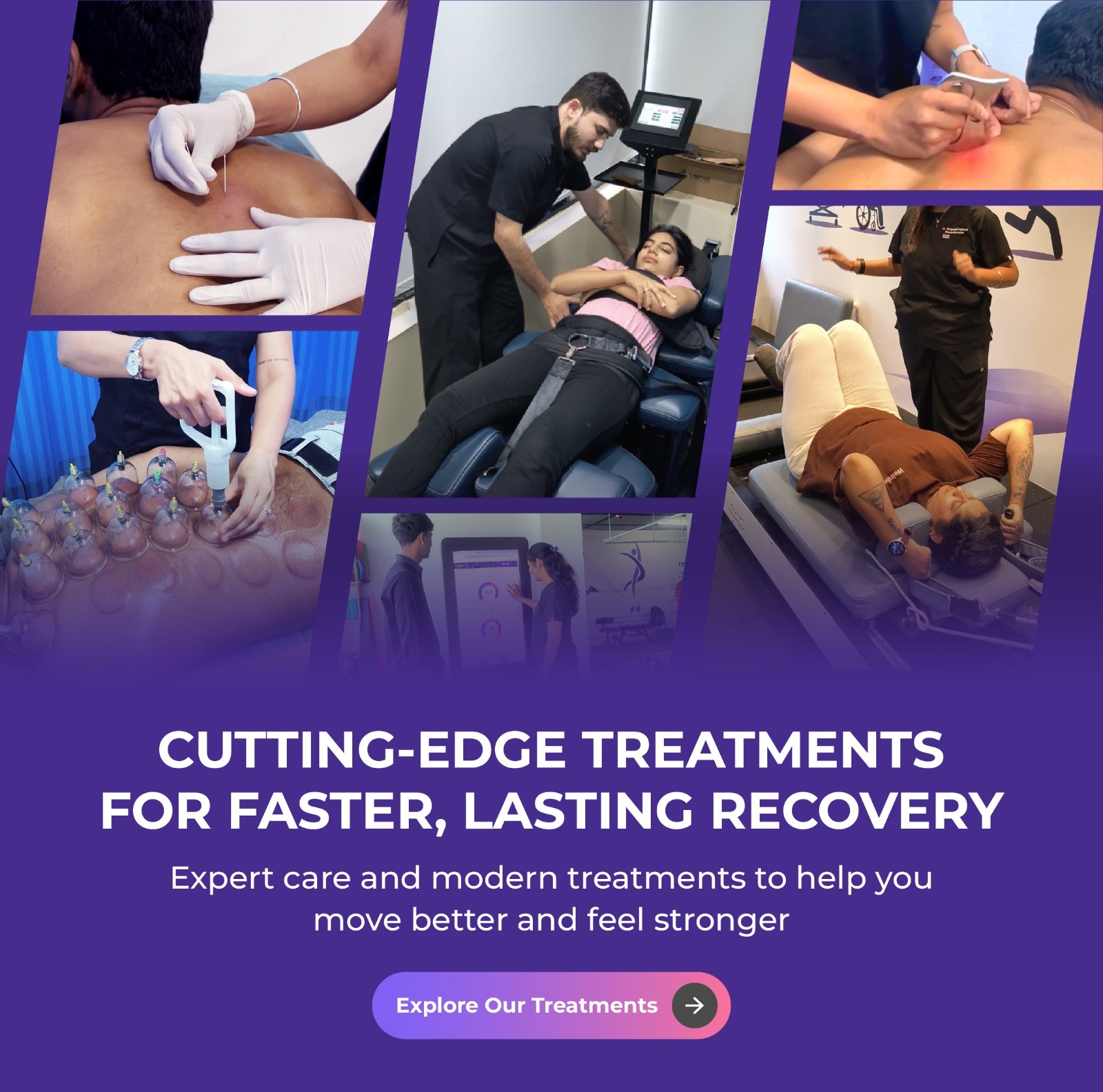
FlexifyMe's official shoulder pain treatment page lists manual therapy, exercise therapy, postural correction, shoulder stabilisation training and home exercise plans among its treatment approaches. Dry needling and cupping may also be considered when appropriate.
FlexifyMe lists additional therapies on its website, including IFT and TENS and ultrasound therapy. Availability and suitability can vary by clinic and individual assessment. These treatments should not be presented as necessary for every shoulder condition or as a replacement for an appropriate rehabilitation plan.
AI-Assisted Assessment and Personalised Care
FlexifyMe describes an assessment process that combines AI-assisted posture and movement analysis with an expert clinical assessment. The aim is to provide movement insights that can help inform a personalised physiotherapy plan.
Posture analysis alone cannot confirm the cause of shoulder pain. A suitable clinical assessment is important to understand symptoms and determine the next steps.
FlexifyMe offers online physiotherapy and in-clinic services. Check the official website for current appointment options and clinic locations before booking.
When Should You Seek Medical Attention?
Get prompt medical assessment if you experience:
Inability to lift or move your arm after an injury.
Severe pain following a fall or direct impact.
A visibly deformed shoulder or a joint that appears out of place.
New numbness, tingling or significant weakness in your arm or hand.
Marked swelling or rapidly worsening symptoms.
Shoulder or arm pain accompanied by chest pressure or tightness, breathlessness, sweating, nausea or faintness may indicate a medical emergency. Seek emergency care immediately. Do not assume these symptoms are caused by a shoulder strain.
Shoulder pain that repeatedly wakes you at night, persists or interferes with everyday activities should also be assessed by a healthcare professional.
Frequently Asked Questions
How heavy is too heavy to lift?
There is no single weight limit that is safe for everyone. The risk depends on the object's size and shape, the lifting position, the distance carried, the environment and the people involved. If the load cannot be held and moved under control, get help or use suitable equipment.
Why does my shoulder hurt more at night?
Some shoulder conditions can cause pain when lying on the affected side or changing sleeping positions. Persistent or worsening night pain should be assessed, particularly if it affects sleep or comes with other symptoms. Severe pain with chest discomfort or breathlessness needs emergency care.
What should I do if my shoulder hurts after every festival?
Repeated pain after lifting may mean that the activity is aggravating an existing problem or placing more demand on your shoulder than it can currently manage. Avoid repeatedly pushing through pain and consider a clinical assessment. A suitable exercise programme may help improve strength and movement, depending on the cause.
Should I stop moving my shoulder completely?
Not necessarily. Gentle movement may be appropriate for some shoulder problems, but the correct approach depends on the injury. Avoid heavy lifting and movements that worsen symptoms. If you cannot move your arm after an injury, seek prompt medical assessment.
How can I find a physiotherapist near me for shoulder pain treatment?
Search for physiotherapist near me or shoulder pain treatment in Hinjewadi to explore nearby options. Check the provider's services, qualifications and appointment availability. FlexifyMe provides online physiotherapy and has clinics in selected locations; confirm the relevant location and service details on its official website.
Celebrate Dussehra While Protecting Your Shoulders
Festival preparations often involve tasks that your body may not perform regularly. Sharing heavy loads, checking the route, using a stable grip and avoiding awkward overhead lifting can help reduce unnecessary strain.
If your shoulder hurts after lifting, stop the activity that aggravates it and pay attention to the symptoms. Persistent pain, weakness or restricted movement deserves an appropriate assessment rather than guesswork.
For shoulder pain treatment, FlexifyMe offers physiotherapy approaches that may include exercise therapy, manual therapy and personalised rehabilitation, depending on your assessment. Visit the official website to review available services and book an appointment at a listed location or explore online options.
This article is for general information only and is not a substitute for individual medical advice. Severe injury symptoms or shoulder pain accompanied by chest tightness, breathlessness, sweating or nausea require urgent medical attention.