


 ₹https://clinics.flexifyme.com/flexifyme/pune/hinjewadi/flexifyme-advanced-physiotherapy-clinic-in-hinjewadi-pune--7gAsKd/articles/cervical-spondylosis-treatment-in-hinjewadi-pune-m--98044e17-f765-4a96-a8c9-2544845433e2
FlexifyMe Advanced Physiotherapy Clinic, Hinjewadi, pune
Physiotherapy Clinic in Hinjewadi, Pune, Maharashtra
No 3/1, Second Floor, Hinjawadi Phase II, Rajiv Gandhi Infotech Park, Hinjewadi, pune, maharashtra - 411057Request A Call Back
FlexifyMe Advanced Physiotherapy Clinic Social Feeds in Hinjewadi, pune
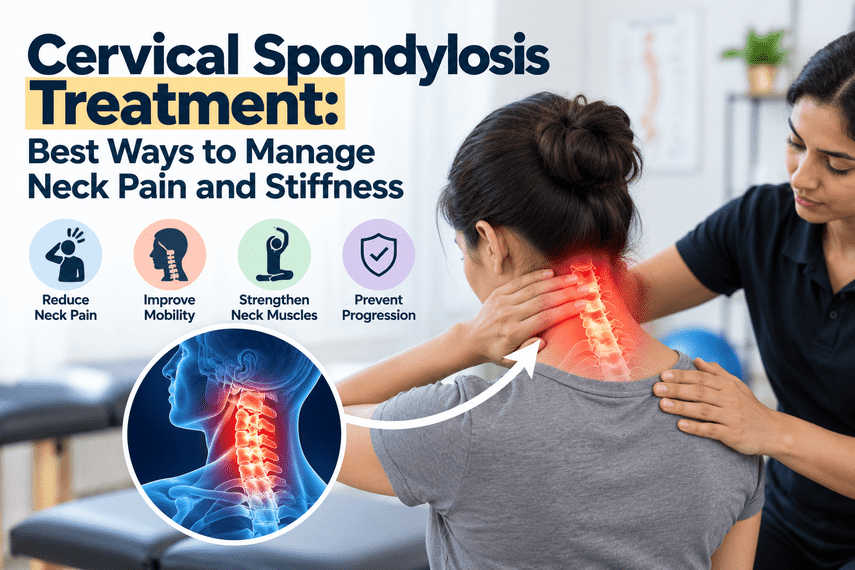
Cervical Spondylosis Treatment in Hinjewadi, Pune: Managing Neck Pain and Stiffness
A diagnosis of cervical spondylosis can sound more serious than it sometimes is. An X-ray or scan may show degenerative changes in the neck, but imaging findings do not always explain the severity of someone's symptoms.
Cervical spondylosis refers to age-related degenerative changes affecting structures in the cervical spine. Some people have these changes with few or no symptoms, while others may experience neck pain and stiffness, reduced movement or symptoms that extend towards the shoulder or arm.
If you are looking for cervical spondylosis treatment in Hinjewadi or elsewhere in Pune, understanding your symptoms and getting an appropriate assessment can help determine the right approach.
What Is Cervical Spondylosis?
Cervical spondylosis describes degenerative changes in the neck. These may involve the spinal discs, joints and surrounding structures.
FlexifyMe describes cervical spondylosis as a common neck condition associated with age-related wear and tear. Its current spondylosis information lists symptoms such as neck pain, stiffness, reduced range of motion, headaches and symptoms involving the arms or legs when nerve structures are affected.
The presence of degenerative changes on an imaging report does not by itself determine how much pain a person will experience or what treatment they need.
Common Symptoms
Cervical spondylosis may be associated with:
Neck pain and stiffness
Reduced neck movement
Discomfort after remaining in one position for a prolonged period
Pain extending towards the shoulder or upper back
Headaches associated with neck symptoms
Tingling or numbness when nerves are affected
Symptoms can vary considerably between individuals.
When Nerves Are Involved
Cervical spine changes can sometimes affect or irritate nerve structures.
This may result in symptoms such as pain, tingling, numbness or weakness extending into the arm or hand.
If you have persistent neck pain radiating to the arm, particularly when it is accompanied by weakness, numbness or changes in hand function, professional assessment is important.
Warning Signs That Need Medical Assessment
Most neck pain does not indicate an emergency, but certain symptoms require prompt medical attention.
Seek medical assessment if you experience:
Progressive weakness in an arm or hand
Significant clumsiness or difficulty using your hands
New problems with balance or walking
Changes in bladder or bowel control
Severe neck pain following a significant fall or accident
Fever alongside significant neck pain
Unexplained weight loss with persistent symptoms
Other rapidly worsening neurological symptoms
These symptoms can indicate problems that require medical evaluation rather than self-directed cervical spondylosis exercises.
What Can Help Manage Cervical Spondylosis?
Treatment focuses on managing symptoms, maintaining movement and improving function. The appropriate approach depends on your symptoms, examination findings and individual needs.
1. Keep the Neck Moving
Neck stiffness can make everyday activities more difficult.
Where appropriate, gentle movement and mobility exercises may help maintain comfortable range of motion.
FlexifyMe's official cervical spondylosis exercise content includes movements such as gentle neck gliding, neck rotation and chin tucks, while also recommending professional guidance to determine whether exercises are suitable for an individual's condition.
Do not force a movement that causes significant or worsening pain.
2. Build Neck and Upper-Body Strength
Strengthening may form an important part of cervical spondylosis physiotherapy.
Depending on your assessment, a physiotherapist may prescribe exercises targeting the neck, shoulders and upper back.
FlexifyMe's current spondylosis treatment page specifically lists neck and back strengthening exercises as part of its physiotherapy approach.
The exercise programme should be adjusted according to your symptoms, strength and functional requirements rather than following the same routine for everyone.
3. Work on Posture and Ergonomics
Daily habits can influence how your neck feels, particularly if you spend long periods sitting, working at a computer or using a phone.
Useful adjustments may include:
Positioning your screen comfortably in front of you
Avoiding prolonged periods in one position
Taking regular movement breaks
Adjusting your workstation to suit your height and work requirements
Avoiding prolonged positions that consistently increase your symptoms
The goal is not to maintain one “perfect” posture all day. Changing position regularly and building movement capacity can be more practical.
FlexifyMe's current spondylosis treatment information includes ergonomic advice for daily activities and posture alignment as part of its physiotherapy approach.
4. Improve Movement and Mobility
Neck movement is influenced by more than the cervical spine alone.
A physiotherapist may assess your neck mobility, posture, shoulder movement and broader movement patterns to understand which factors may be relevant to your symptoms.
FlexifyMe currently describes its physiotherapy approach as combining AI-assisted posture and movement analysis with expert physiotherapy to support personalised treatment and rehabilitation.
5. Physiotherapy Techniques for Symptom Management
Depending on the assessment, physiotherapy may include hands-on treatment or other supportive techniques alongside exercise and rehabilitation.
FlexifyMe's current spondylosis treatment page lists approaches including:
Posture alignment therapy
Neck and back strengthening exercises
Traction and manual mobilisation
TENS
Ultrasound
Ergonomic advice
The appropriate treatment depends on the individual and the assessment.
Do You Need an MRI or X-Ray?
Not every person with neck pain requires imaging.
Whether an X-ray, MRI or another investigation is appropriate depends on your symptoms, medical history, physical examination and clinical findings.
Imaging may be considered when there are neurological symptoms, significant trauma, persistent symptoms or other clinical reasons to investigate further.
It is also important to understand that degenerative changes on imaging do not necessarily correspond directly to the severity of pain. Your healthcare professional can interpret an imaging report alongside your symptoms and examination findings.
Can Exercise Help With Cervical Spondylosis?
Exercise can be an important part of managing cervical spondylosis.
Appropriate exercises may help with:
Neck mobility
Muscle strength
Posture and movement control
Functional capacity
Managing stiffness
FlexifyMe's official cervical spondylosis exercise resource includes neck mobility exercises, chin tucks, shoulder movements and scapular exercises, while recommending professional guidance for individual suitability.
If an exercise causes significant pain, numbness, dizziness, weakness or worsening symptoms, stop and seek professional advice.
Living With Cervical Spondylosis
Cervical spondylosis is a long-term structural change, so treatment generally focuses on managing symptoms and maintaining function rather than reversing the underlying degenerative changes.
Some practical habits can help:
Stay physically active within your tolerance.
Continue an appropriate strengthening programme.
Avoid spending unnecessarily long periods in one position.
Take regular movement breaks during desk work.
Follow ergonomic recommendations that make your daily activities more comfortable.
Pay attention to changes in symptoms, particularly neurological symptoms.
Continue exercises even when symptoms improve if they are part of your prescribed rehabilitation programme.
A flare does not automatically mean that the underlying condition has suddenly become worse. However, persistent or progressively worsening symptoms should be assessed.
How Can FlexifyMe Help With Cervical Spondylosis?
FlexifyMe currently lists spondylosis and neck pain among the conditions it treats. Its spondylosis treatment programme includes assessment, personalised physiotherapy and rehabilitation.
Its current assessment approach can include AI posture analysis, physical examination and medical history review. FlexifyMe states that its AI-assisted posture and movement analysis provides movement insights while physiotherapists guide the assessment and recovery plan.
Depending on the individual's condition, FlexifyMe's physiotherapy approach may include strengthening exercises, posture alignment, manual mobilisation, traction, TENS, ultrasound and ergonomic guidance. Specific treatment options can vary according to the assessment and location.
FlexifyMe also provides online physiotherapy consultations, while physical clinic availability varies by location. Its current website lists clinic options including Delhi, Pune and Mumbai through its booking flow.
Frequently Asked Questions
Can cervical spondylosis be cured?
The degenerative changes associated with cervical spondylosis are not generally reversed. However, symptoms such as pain and stiffness can often be managed through appropriate treatment, exercise, activity modification and rehabilitation.
The aim is to improve comfort, movement and everyday function rather than simply changing an imaging report.
Is cervical spondylosis dangerous?
Cervical spondylosis is common, but certain symptoms can indicate nerve or spinal cord involvement.
Progressive weakness, hand clumsiness, balance problems, walking changes or bladder and bowel changes require prompt medical assessment.
Should I use a cervical collar?
A cervical collar should not be used routinely without appropriate medical advice.
If you have suffered an injury or have been specifically advised to use a collar, follow your healthcare professional's instructions. For ongoing neck pain, the appropriate approach may instead focus on movement, strengthening and rehabilitation.
Does neck cracking or grinding mean that my neck is damaged?
Not necessarily.
Clicking, cracking or grinding can occur with neck movement and does not by itself establish the severity of degenerative changes.
If the sounds are accompanied by significant pain, neurological symptoms or a recent injury, discuss them with a healthcare professional.
Can I exercise with cervical spondylosis?
In many cases, appropriate exercise forms part of management.
However, the exercises and intensity should match your symptoms and condition. FlexifyMe's current cervical spondylosis content includes mobility and strengthening exercises but also recommends professional guidance for individual suitability.
How do I find a physiotherapist near me for cervical spondylosis?
Search for physiotherapist near me or physiotherapy near me and look for a provider that assesses neck movement, strength, posture and neurological symptoms where relevant.
You can search for options in and around Hinjewadi and check whether the provider offers treatment for cervical spondylosis and neck pain.
FlexifyMe offers online physiotherapy and physical clinic services in selected locations. The appropriate option depends on your symptoms, assessment and location.
A Diagnosis Does Not Define Your Daily Function
Cervical spondylosis describes structural changes in the neck, but an imaging report alone does not determine how much pain or stiffness you will experience.
If you have neck pain and stiffness, reduced movement or symptoms extending towards your arm, an appropriate assessment can help identify the factors that may be contributing to your symptoms and guide treatment.
FlexifyMe combines physiotherapy with AI-assisted posture and movement analysis and personalised rehabilitation. Its current spondylosis treatment approach can include strengthening, posture alignment, manual mobilisation, traction, pain-relief modalities and ergonomic guidance, depending on individual assessment.
For people searching for cervical spondylosis treatment in Hinjewadi, Pune, FlexifyMe offers online physiotherapy and physical clinic services in selected locations.
This article is for general information and is not a substitute for personal medical advice. Progressive weakness or hand clumsiness, changes in balance or walking, bladder or bowel changes, or significant neck pain following trauma requires prompt medical assessment.