




 ₹https://clinics.flexifyme.com/flexifyme/pune/hinjewadi/flexifyme-advanced-physiotherapy-clinic-in-hinjewadi-pune--7gAsKd/articles/ankle-pain-treatment-in-hinjewadi-pune-how-to-reco--6b298d00-217f-46e6-81f6-4955561f6ddb
FlexifyMe Advanced Physiotherapy Clinic, Hinjewadi, pune
Physiotherapy Clinic in Hinjewadi, Pune, Maharashtra
No 3/1, Second Floor, Hinjawadi Phase II, Rajiv Gandhi Infotech Park, Hinjewadi, pune, maharashtra - 411057Request A Call Back
FlexifyMe Advanced Physiotherapy Clinic Social Feeds in Hinjewadi, pune
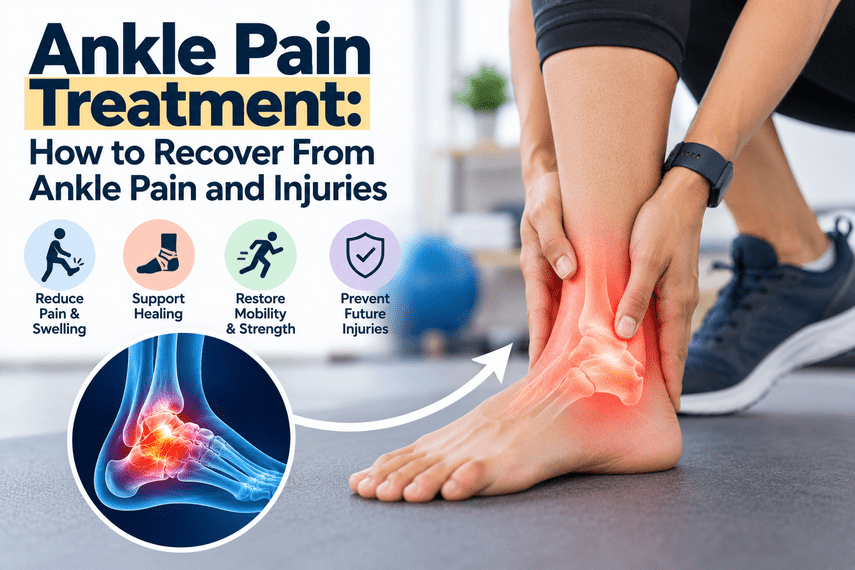
Ankle Pain Treatment in Hinjewadi, Pune: How to Recover From Ankle Pain and Injuries
Ankle pain can make everyday activities such as walking, climbing stairs, exercising or standing for long periods more difficult. It can develop after an ankle sprain, repeated strain, changes in activity or other conditions affecting the ankle and surrounding structures.
A common mistake is to focus only on getting the pain and swelling down. Even when symptoms improve, the ankle may still need appropriate rehabilitation to restore movement, strength and confidence during activity.
If you are looking for ankle pain treatment in Hinjewadi or elsewhere in Pune, understanding what may be causing the pain and when rehabilitation is needed can help you choose the right next step.
What Can Cause Ankle Pain?
Ankle pain can have several causes. The location of pain, how it started and what movements aggravate it can provide useful information, but symptoms alone cannot confirm a diagnosis.
Ankle Sprain
An ankle sprain can occur when the ankle rolls or twists beyond its normal range, potentially affecting the ligaments around the joint.
Common symptoms can include:
Pain around the ankle
Swelling
Bruising
Difficulty putting weight on the affected foot
Reduced ankle movement
Tenderness around the injured area
The severity of a sprain can vary, so persistent symptoms should not simply be ignored because the initial swelling has reduced.
Ankle Instability
Some people continue to experience a feeling that the ankle is giving way after a previous injury.
Repeated episodes of instability can affect confidence during walking, exercise or movement on uneven surfaces. Persistent instability can benefit from assessment and an appropriate rehabilitation programme.
Achilles Tendon Pain
Pain at the back of the ankle can involve the Achilles tendon.
Symptoms can include pain or stiffness during activity and tenderness around the tendon. The appropriate treatment depends on the cause and severity of the problem.
Pain on the Inner Side of the Ankle
Pain on the inside of the ankle can have several possible causes, including problems involving muscles, tendons, joints or changes in how the foot and ankle are loaded.
A proper assessment is useful when the pain continues or affects walking and everyday activities.
Ankle Osteoarthritis
Previous injuries can sometimes contribute to changes in the ankle joint over time. Ankle osteoarthritis can cause pain, stiffness and difficulty with movement.
Treatment depends on the severity of symptoms and the individual's functional needs.
Pain That Feels Like Ankle Pain
Pain around the foot, heel or lower leg can sometimes be perceived as ankle pain.
Because different conditions can produce similar symptoms, persistent pain should be assessed rather than assuming that every problem is an ankle sprain.
When Should You Seek Medical Assessment?
Some ankle injuries need medical assessment before beginning an exercise programme.
Seek prompt medical attention if you have:
Inability to bear weight after an injury
Significant pain following a fall or major trauma
Obvious deformity
Significant or rapidly increasing swelling
Numbness or loss of sensation
A foot that becomes unusually pale or cold
A sudden pop at the back of the ankle followed by difficulty pushing off or walking
Severe or worsening pain
These symptoms can indicate an injury that requires medical evaluation rather than self-directed rehabilitation.
How Does Ankle Recovery Work?
Recovery depends on the type and severity of the injury. Rehabilitation is generally focused on gradually restoring comfortable movement, strength, balance and function.
Phase 1: Protect the Injured Ankle
After an acute injury, the immediate priority is to avoid unnecessarily aggravating the ankle.
Depending on the severity of the injury, this may involve temporarily reducing activities that increase pain and swelling.
Once serious injury has been ruled out, prolonged complete rest is not necessarily required. A healthcare professional can guide you on when and how to begin moving and loading the ankle again.
Phase 2: Restore Ankle Movement
Reduced ankle movement can make everyday activities more difficult.
Once appropriate, rehabilitation may include gentle movements designed to restore comfortable ankle range of motion.
The exact exercises should depend on the injury and your current symptoms. Do not force painful movement simply to achieve a particular range.
Phase 3: Rebuild Strength
Strengthening is an important part of ankle rehabilitation.
Depending on the condition, exercises may target:
Calf muscles
Muscles around the ankle
Foot muscles
Lower-leg strength
Hip and leg strength where relevant
Exercises can then be progressed gradually as strength and tolerance improve.
Phase 4: Improve Balance and Movement Control
An ankle injury can affect confidence and control during movement.
Balance and coordination exercises may therefore form part of rehabilitation, particularly when someone has experienced repeated ankle sprains or instability.
Examples can include:
Standing on one leg
Controlled weight shifting
Reaching while maintaining balance
Progressing to more demanding balance activities when appropriate
The progression should be based on your strength, symptoms and functional requirements.
Phase 5: Return to Normal Activities
Returning to everyday activity or sport should be gradual.
Depending on the injury, rehabilitation may progress from comfortable walking to more demanding activities such as jogging, jumping, direction changes or sport-specific movements.
Being able to walk without significant pain is an important step, but it does not necessarily mean that the ankle is ready for every high-demand activity.
Why Does an Ankle Keep Giving Way?
If your ankle repeatedly feels unstable, it is worth getting it assessed.
Several factors may contribute to ongoing instability, including:
Previous ankle injuries
Reduced strength
Reduced balance or movement control
Limited ankle mobility
Difficulty controlling the ankle during demanding activities
Returning to higher-level activity before adequate rehabilitation
The right treatment depends on the underlying problem.
This is why repeated ankle sprains should not simply be treated as separate incidents without considering whether there is an ongoing movement or strength issue.
Can Physiotherapy Help With Ankle Pain?
Physiotherapy can be part of rehabilitation for ankle pain, injuries and movement problems.
A physiotherapist may assess:
Pain and symptoms
Ankle movement
Muscle strength
Balance and coordination
Walking and movement patterns
Functional limitations
Your activity and rehabilitation requirements
Based on the assessment, treatment may include therapeutic exercises, mobility work, strengthening, movement retraining and other appropriate physiotherapy techniques.
FlexifyMe currently lists ankle pain among the conditions it treats. Its official website describes personalised physiotherapy that can include therapeutic exercises, posture correction, mobility training and movement-based rehabilitation.
FlexifyMe also lists gait training and functional re-training among its physiotherapy therapies. These approaches can be relevant when rehabilitation needs to address walking, movement patterns or functional activities.
What About Braces and Ankle Taping?
An ankle brace or taping may be recommended in some situations, particularly when additional support is appropriate during a return to activity.
However, external support should not automatically replace rehabilitation.
If you have recurrent ankle instability, strengthening, balance and movement training may also need to be considered as part of your overall rehabilitation programme.
Ask your physiotherapist whether a brace or taping is appropriate for your injury and activity level.
How Long Does Ankle Pain Take to Recover?
There is no single recovery period for every ankle injury.
Recovery can depend on:
Type and severity of the injury
Whether a ligament, tendon, muscle or joint is involved
Previous ankle injuries
Your general health and activity level
How much the ankle is being loaded
Your response to rehabilitation
Whether complications or additional injuries are present
A mild ankle problem may settle relatively quickly, while more significant injuries or persistent instability can require a longer rehabilitation period.
FlexifyMe's current treatment information similarly states that recovery varies according to the condition, its severity, individual health and consistency with treatment.
Instead of using a fixed timeline, look for improvements in pain, movement, strength, balance and your ability to perform everyday activities.
Frequently Asked Questions
Should I walk on a sprained ankle?
Whether you should put weight on a sprained ankle depends on the severity of the injury.
After serious injury has been ruled out, gradual weight bearing may form part of rehabilitation. However, significant pain or an inability to bear weight should be assessed rather than ignored.
Why does my ankle still swell after an injury?
Some swelling can persist during recovery, particularly after activity. However, persistent or increasing swelling should not automatically be considered normal.
If swelling continues to interfere with walking or everyday activities, consider getting the ankle assessed.
Do ankle braces weaken the ankle?
An ankle brace can provide additional support for some people during particular activities.
It should not automatically be considered a replacement for appropriate strength, balance and movement rehabilitation. Your physiotherapist can advise whether a brace is suitable for your situation.
Is clicking in the ankle a concern?
Clicking can occur for different reasons and is not necessarily a sign of serious injury.
However, clicking accompanied by pain, swelling, locking, instability or reduced movement should be assessed by a healthcare professional.
What are the best balance exercises for an ankle?
The appropriate balance exercise depends on your current strength, stability and stage of recovery.
Exercises may progress from simple single-leg standing to more challenging movement and balance tasks. A physiotherapist can determine an appropriate progression rather than using the same exercise for every ankle injury.
How do I find a physiotherapist near me for an ankle injury?
Search for physiotherapist near me or physiotherapy near me and look for a provider that assesses ankle movement, strength, balance and functional movement.
You can search for options in and around Hinjewadi and check whether the provider offers rehabilitation for ankle pain and injuries.
FlexifyMe currently offers online physiotherapy as well as physical clinic services in selected locations. Physical clinic availability depends on your location.
Rehabilitate the Ankle, Not Just the Symptoms
An ankle injury is not always finished simply because the swelling has reduced or walking has become easier.
Appropriate rehabilitation may involve restoring movement, rebuilding strength, improving balance and gradually returning to the activities that matter to you.
If your ankle continues to hurt, repeatedly gives way or is affecting your normal activities, consider getting it assessed rather than repeatedly treating each flare-up on its own.
FlexifyMe provides personalised physiotherapy for conditions including ankle pain. Its current approach combines physiotherapy assessment with therapeutic exercises, movement-based rehabilitation and other appropriate treatment techniques.
For people searching for ankle pain treatment in Hinjewadi, Pune, FlexifyMe offers online physiotherapy and physical clinic services in selected locations. The appropriate care option depends on your symptoms, assessment and location.
This article is for general information and is not a substitute for personal medical advice. Inability to bear weight, significant trauma, deformity, numbness, severe swelling or a sudden pop at the back of the ankle with difficulty walking requires prompt medical assessment.