




 ₹https://clinics.flexifyme.com/flexifyme/new-delhi/model-town-phase-2/flexifyme-advanced-physiotherapy-clinic-in-model-town-phase-2-new-delhi--13vdsz/articles/cupping-therapy-benefits-uses-cost-best-cupping-th--b1615763-3e23-4192-905c-9dd8ce162f0a
Flexifyme Advanced Physiotherapy Clinic, Model Town Phase 2, new delhi
Physiotherapy Clinic in Model Town Phase 2, New Delhi, Delhi
No F14/57, Upper Ground Floor, Nearby Muscle Junkie, Model Town Phase 2, new delhi, delhi - 110009
Request A Call Back
Flexifyme Advanced Physiotherapy Clinic Social Feeds in Model Town Phase 2, new delhi
Cupping Therapy: Benefits, Uses, Cost & Best Cupping Therapy Clinic in new delhi
If you are experiencing persistent muscle pain, stiffness, sports injuries or stress-related tension in Model Town Phase 2, new delhi, cupping therapy can be an effective addition to your rehabilitation plan. This traditional healing technique has gained popularity in modern physiotherapy because of its ability to improve blood circulation, reduce muscle tightness and support faster recovery.
At FlexifyMe, cupping therapy is provided as part of a personalised physiotherapy programme designed to address the root cause of pain rather than simply managing symptoms. Whether you are recovering from an injury, dealing with chronic pain or looking to improve mobility, our experienced physiotherapists ensure that cupping therapy is performed safely and effectively.
What Is Cupping Therapy?
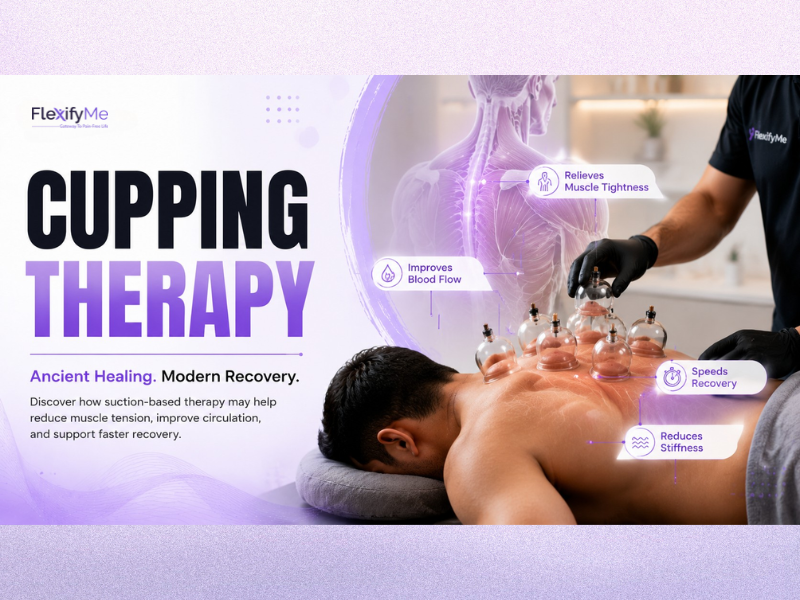
Cupping therapy is a specialised therapeutic technique that uses medical-grade cups to create gentle suction on the skin. The suction lifts the soft tissues, increases local blood circulation and helps release muscle tightness.
Unlike massage, which applies pressure to muscles, cupping gently lifts the tissues, allowing improved blood flow and reducing restrictions in muscles and fascia.
Modern physiotherapy commonly combines cupping therapy with:
Manual therapy
Stretching exercises
Dry needling
Joint mobilisation
Strengthening exercises
Sports rehabilitation
Postural correction
This integrated approach helps patients recover more effectively while reducing discomfort.
How Does Cupping Therapy Work?
During treatment, specialised cups are placed over targeted muscles or affected areas. A vacuum is created inside the cup, gently lifting the skin and underlying tissues.
The suction helps to:
Improve blood circulation
Increase oxygen supply to muscles
Reduce muscle stiffness
Improve lymphatic drainage
Promote natural healing
Reduce inflammation
Improve flexibility
The increased circulation encourages the body's natural repair process and may help reduce pain associated with muscular conditions.
Types of Cupping Therapy
Depending on your condition, your physiotherapist may recommend different cupping techniques.
Static Cupping
The cups remain in one position for several minutes, allowing deeper tissue relaxation and improved circulation.
Dynamic Cupping
The cups are moved across the muscles after applying massage oil. This technique combines suction with movement to release larger muscle groups.
Dry Cupping
This is the most common form used in physiotherapy. It involves suction only, without making any cuts on the skin.
Flash Cupping
The cups are quickly applied and removed several times to stimulate circulation without prolonged suction.
Your physiotherapist will determine the most suitable technique after assessing your condition.
Benefits of Cupping Therapy
Cupping therapy offers numerous therapeutic benefits for individuals with musculoskeletal pain and movement limitations.
Relieves Muscle Pain
One of the biggest advantages of cupping therapy is its ability to reduce muscle tension and discomfort.
Improves Blood Circulation
The suction effect enhances circulation, helping deliver nutrients and oxygen to injured tissues.
Reduces Muscle Tightness
Tight muscles can restrict movement and cause discomfort. Cupping helps release muscular restrictions naturally.
Supports Faster Recovery
Athletes frequently use cupping therapy to recover after intense physical activity or sports injuries.
Enhances Mobility
By reducing tissue stiffness, cupping therapy improves flexibility and joint movement.
Reduces Stress and Tension
Many patients experience deep muscle relaxation during and after treatment.
Promotes Natural Healing
Improved circulation and tissue mobility encourage the body's own healing response.
Common Conditions Treated with Cupping Therapy
Cupping therapy may be beneficial for various musculoskeletal conditions, including:
Neck pain
Shoulder pain
Lower back pain
Sciatica
Muscle strains
Sports injuries
Tennis elbow
Frozen shoulder
Knee pain
Hip pain
Plantar fasciitis
Postural muscle tightness
Myofascial pain syndrome
Chronic muscle stiffness
It is often used alongside physiotherapy to maximise recovery outcomes.
Who Can Benefit from Cupping Therapy?
Cupping therapy may be suitable for:
Office professionals with prolonged sitting
Athletes
Fitness enthusiasts
Individuals with chronic muscle pain
Patients recovering from orthopaedic injuries
Older adults experiencing muscle stiffness
Individuals with poor posture
People with repetitive strain injuries
A thorough physiotherapy assessment helps determine whether cupping therapy is appropriate for your condition.
What Happens During a Cupping Therapy Session?
At FlexifyMe, every treatment begins with a comprehensive physiotherapy assessment.
A typical session includes:
Assessment
The physiotherapist evaluates your symptoms, posture, movement patterns and medical history.
Treatment Planning
A personalised treatment plan is created based on your diagnosis.
Application of Cups
Medical-grade cups are placed on the affected muscles and gentle suction is applied.
Therapeutic Monitoring
The cups remain in place for several minutes or are moved depending on the selected technique.
Exercise Guidance
Following cupping therapy, patients may receive stretching or strengthening exercises to maintain improvements.
Does Cupping Therapy Hurt?
Cupping therapy is generally comfortable. Most patients experience a pulling or stretching sensation rather than pain.
Temporary circular marks may appear after treatment due to increased blood flow. These marks usually fade within several days and are a normal part of the healing response.
How Many Sessions Are Required?
The number of sessions depends on:
Severity of pain
Type of condition
Duration of symptoms
Individual recovery rate
Overall treatment goals
Some individuals experience relief after a single session, while chronic conditions may require multiple sessions combined with physiotherapy.
Cupping Therapy Cost in new delhi
The cost of cupping therapy varies depending on several factors, including:
Your medical condition
Number of therapy sessions required
Whether cupping is combined with physiotherapy
Duration of each session
Personalised rehabilitation programme
Following your assessment at FlexifyMe, the physiotherapist will recommend a customised treatment plan with transparent pricing based on your individual needs.
Why Choose FlexifyMe for Cupping Therapy in new delhi?
Choosing the right physiotherapy clinic is essential for safe and effective treatment.
At FlexifyMe, patients receive:
Expert physiotherapists with clinical experience
Comprehensive movement assessment
Evidence-based treatment plans
Personalised rehabilitation programmes
Modern physiotherapy techniques
One-on-one patient care
Comfortable clinical environment
Focus on long-term recovery and injury prevention
Rather than treating symptoms alone, FlexifyMe aims to identify and address the underlying cause of pain for lasting results.
Tips to Maximise the Benefits of Cupping Therapy
You can improve your recovery by:
Staying well hydrated
Following prescribed exercises
Maintaining good posture
Avoiding strenuous activity immediately after treatment
Getting adequate sleep
Attending all recommended physiotherapy sessions
Consistency is key to achieving the best outcomes.
Frequently Asked Questions
Is cupping therapy safe?
Yes. When performed by qualified physiotherapists, cupping therapy is considered a safe treatment for many musculoskeletal conditions.
How long does one session take?
A cupping therapy session usually lasts between 20 and 45 minutes, depending on your treatment plan.
Can cupping therapy help chronic back pain?
Yes. Cupping therapy is commonly used alongside physiotherapy to help reduce muscle tightness, improve circulation and relieve chronic back pain.
Are the marks left by cupping permanent?
No. The circular marks are temporary and generally disappear within a few days.
Can athletes benefit from cupping therapy?
Yes. Many athletes use cupping therapy to support muscle recovery, reduce soreness and improve flexibility after training or competition.
Conclusion
If you are looking for effective, non-invasive pain relief in Model Town Phase 2, new delhi, cupping therapy can be an excellent addition to your physiotherapy treatment plan. By improving circulation, reducing muscle tension and supporting natural healing, this therapy helps many individuals recover from pain and regain mobility.
At FlexifyMe, every patient receives personalised care tailored to their condition and recovery goals. Whether you are dealing with sports injuries, muscle stiffness or chronic pain, our experienced physiotherapists are committed to helping you move better and live pain-free.
Book Your Cupping Therapy Consultation at FlexifyMe
Take the first step towards better movement and lasting pain relief. Schedule a consultation with FlexifyMe today and discover how personalised cupping therapy and expert physiotherapy can support your recovery and overall well-being.