


 ₹https://clinics.flexifyme.com/flexifyme/new-delhi/model-town-phase-2/flexifyme-advanced-physiotherapy-clinic-in-model-town-phase-2-new-delhi--13vdsz/articles/celebrate-independence-from-knee-pain-how-physioth--9c16ea92-bed2-43fb-9f78-984c1c2388cf
Flexifyme Advanced Physiotherapy Clinic, Model Town Phase 2, new delhi
Physiotherapy Clinic in Model Town Phase 2, New Delhi, Delhi
No F14/57, Upper Ground Floor, Nearby Muscle Junkie, Model Town Phase 2, new delhi, delhi - 110009
Request A Call Back
Flexifyme Advanced Physiotherapy Clinic Social Feeds in Model Town Phase 2, new delhi
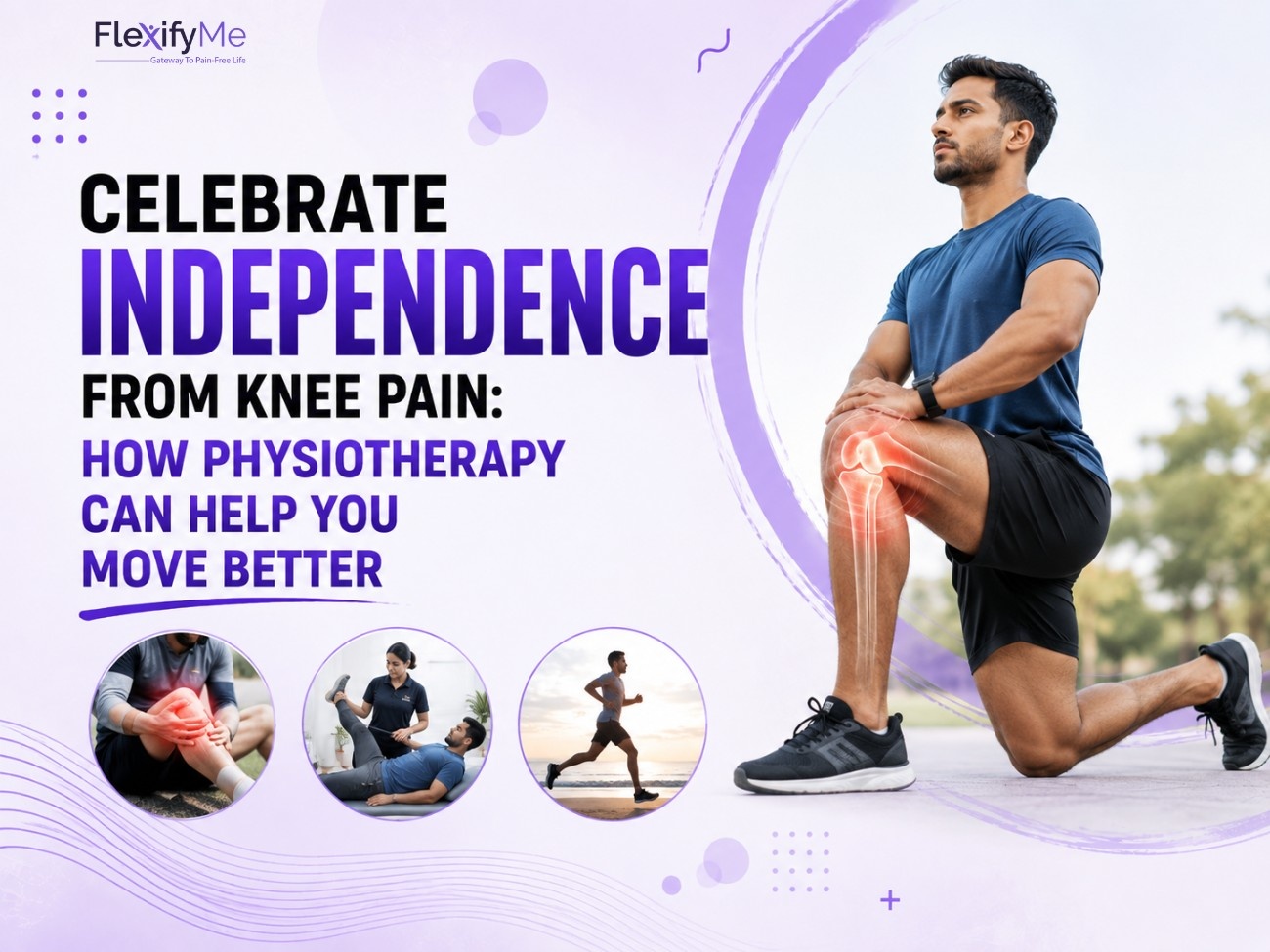
Celebrate Independence From Knee Pain: How Physiotherapy Can Help You Move Better
Knee pain rarely announces itself. It starts as a click on the stairs, a stiff first few steps out of the car, or that reluctance to sit cross-legged on the floor at a family function.
Then it quietly rewrites your habits. You take the lift. You stop squatting to pick things up. You pick the aisle seat so you can stretch your leg. None of it feels dramatic, and that is exactly why it can continue for months without being assessed.
The useful thing to understand about knee pain is that it can have many causes. Muscle weakness, changes in activity, joint stiffness, previous injuries, arthritis and other factors can all contribute. The right treatment therefore starts with understanding what is causing your symptoms rather than assuming that every painful knee has the same problem.
FlexifyMe specifically provides physiotherapy for knee pain and describes personalised treatment plans that may focus on restoring strength, mobility and function.
Common Reasons Your Knee May Hurt
Common contributors to knee pain without any obvious injury can include:
Reduced muscle strength, particularly around the knee and hip, which can affect how the joint handles everyday loads
Limited hip or ankle mobility, which can influence lower-limb movement
Long periods of sitting, which may contribute to stiffness and reduced movement
A sudden increase in activity, such as starting running, a new gym routine or significantly increasing your daily walking
Previous injuries or surgery, which may affect strength and movement during recovery
Osteoarthritis and other joint conditions, which can cause pain, stiffness and difficulty with activities
FlexifyMe's knee pain treatment information lists injuries, arthritis and other chronic conditions among possible causes of knee pain and recommends assessment when symptoms such as persistent pain, swelling, stiffness, difficulty bearing weight or instability occur.
What Your Symptoms May Be Telling You
Pain on Stairs, Especially While Coming Down
Stairs place considerable demand on the muscles around the knee. If climbing or descending stairs consistently causes pain, it is worth having the knee assessed rather than simply avoiding stairs.
A physiotherapist can examine your strength, movement and functional activities and determine whether strengthening or movement modification may be appropriate.
Stiffness After Sitting That Improves Once You Move
Some people notice knee stiffness after sitting for a long period and feel better after walking for a few minutes. This can occur with several knee conditions, including some forms of joint-related pain.
Persistent stiffness should be assessed, particularly when it begins affecting your normal activities.
Swelling After Activity
Swelling can occur when a knee becomes irritated or overloaded. It does not automatically mean that serious damage has occurred, but persistent or recurrent swelling deserves professional assessment.
FlexifyMe lists swelling, stiffness and redness around the knee among symptoms for which physiotherapy assessment may be appropriate.
Giving Way, Locking or Feeling Unstable
A knee that repeatedly buckles, gives way or locks should not simply be ignored. These symptoms can occur with different knee conditions and may require a detailed assessment before you increase activity or begin a strengthening programme.
Pain That Is Starting to Affect Everyday Activities
When knee pain moves from being an occasional inconvenience to affecting walking, stairs, exercise, getting in and out of a vehicle or other daily activities, it is a good time to seek professional guidance.
How Physiotherapy Can Help With Knee Pain
Physiotherapy for knee pain is more than a massage or hot pack. The aim is to understand your symptoms and create an appropriate plan to improve movement, strength and function.
It Starts With an Assessment
A physiotherapy assessment may consider your symptoms, medical history, strength, mobility and the way you perform everyday movements.
Depending on your condition, a physiotherapist may look at how you walk, squat, climb stairs or perform other movements that reproduce your symptoms.
FlexifyMe states that its physiotherapy approach begins with a guided assessment to understand how the body moves and identify areas of strain or imbalance. Its knee pain treatment programme is then customised according to the diagnosis and recovery goals.
It Helps You Stay Active Within Your Limits
Complete rest is not always the best approach to knee pain. Depending on your condition, your physiotherapist may recommend modifying activities rather than stopping movement completely.
This could involve adjusting the amount of activity you do, changing exercises, modifying movement patterns or gradually increasing your tolerance.
It Builds Strength
Strengthening exercises are an important part of many knee rehabilitation programmes. Depending on your assessment, exercises may target muscles around the knee, including the quadriceps and hamstrings, as well as the hips and other areas that contribute to lower-limb movement.
FlexifyMe's knee pain treatment page specifically lists strengthening exercises, stretching and mobility work, and balance and proprioception training as possible components of an individualised programme.
It Helps Restore Everyday Movement
The objective is not simply to make the pain disappear for a few hours. It is also to help you return to activities that matter to you.
That could mean climbing stairs, walking comfortably, exercising, getting in and out of a car, or returning to activities that you have been avoiding.
It Can Support Recovery After Knee Surgery
Physiotherapy can also form part of rehabilitation following knee surgery. FlexifyMe lists post-surgical physiotherapy among the treatment options available for knee-related conditions.
What Treatments May Be Used for Knee Pain?
The treatment you receive depends on your symptoms, assessment and recovery goals. There is no single treatment that is appropriate for every painful knee.
FlexifyMe's official knee pain treatment page lists several approaches that may be included in an individualised programme:
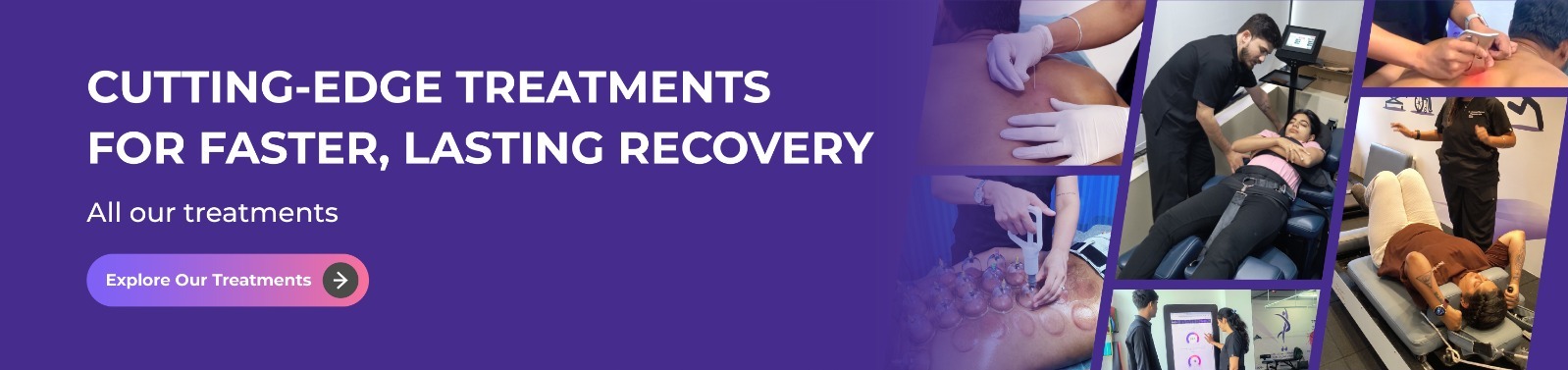
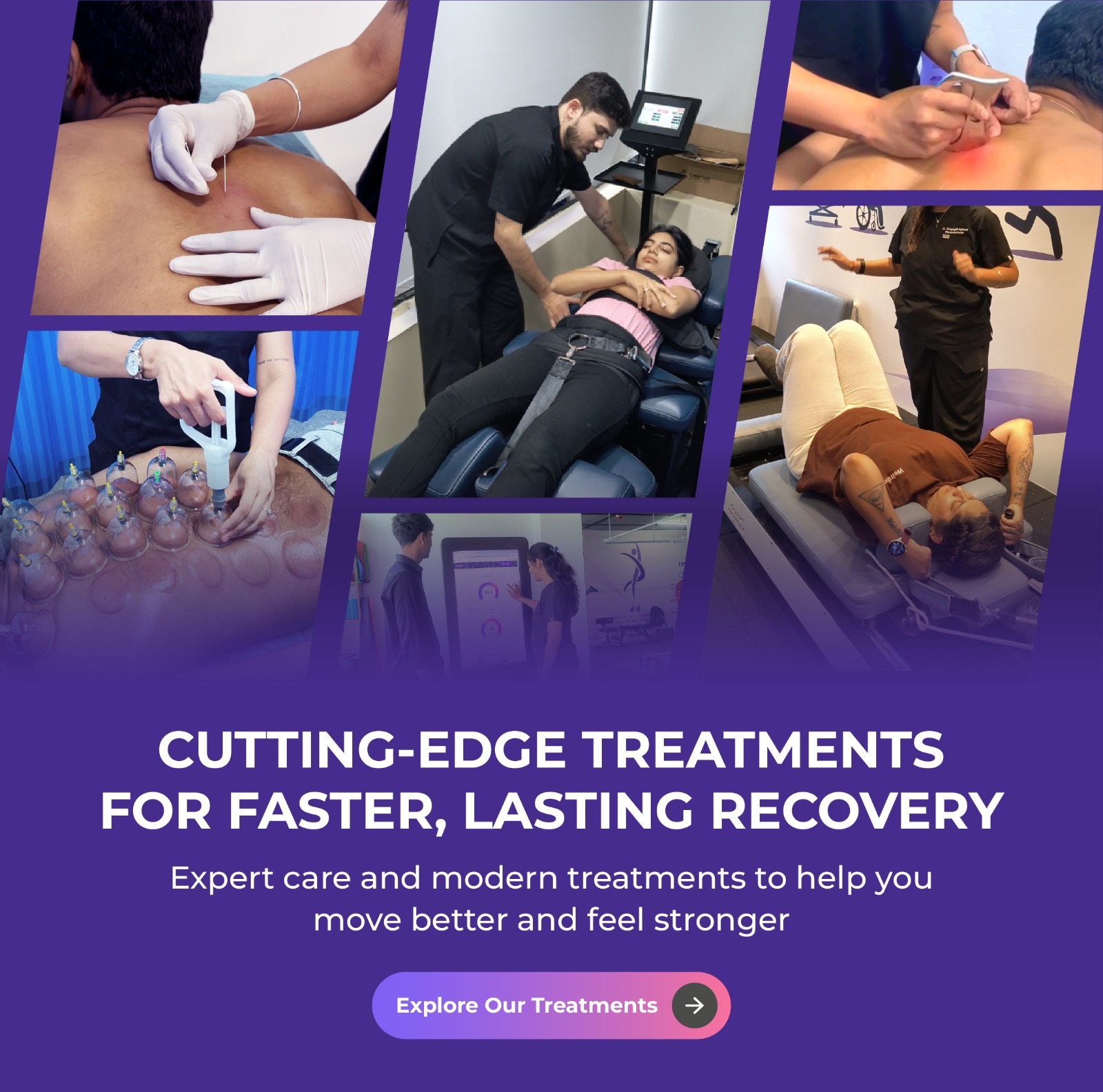
Manual therapy to support joint movement and reduce stiffness
Strengthening exercises for muscles around the knee
Stretching and mobility work
Balance and proprioception training
Home exercise programmes
Post-surgical physiotherapy
Adjunct approaches such as taping, cupping or dry needling where considered appropriate
FlexifyMe also provides guided online physiotherapy consultations, where physiotherapists assess movement, posture and symptoms and provide personalised exercise and rehabilitation guidance.
Why Treating Knee Pain Close to Home Can Help
Knee rehabilitation often involves regular exercise and follow-up. That makes accessibility an important practical consideration.
Choosing a knee pain physiotherapist in Model Town Phase 2 can make it easier to stay consistent with your treatment plan and attend follow-up sessions when required.
Before choosing a clinic, consider:
Whether the clinic or service is convenient for your routine
Whether you receive a proper assessment before treatment begins
Whether the physiotherapist explains your condition and treatment plan clearly
Whether you receive exercises or guidance to follow between sessions
Whether the treatment approach is personalised to your symptoms and goals
Whether the physiotherapist has experience with your particular knee problem
FlexifyMe offers online physiotherapy consultations and has physiotherapy clinics in selected locations. Availability and services can vary by location, so check the official FlexifyMe website when booking.
How Long Does Knee Physiotherapy Take?
There is no fixed recovery period for knee pain.
A minor problem may improve relatively quickly, while persistent pain, arthritis, an injury or post-surgical rehabilitation can require a longer programme. Recovery depends on the underlying condition, its severity, your starting level of strength and mobility, and how consistently you follow your rehabilitation plan.
Rather than focusing on a fixed number of weeks, your physiotherapist can monitor practical improvements such as walking tolerance, strength, mobility and your ability to perform everyday activities.
FlexifyMe also emphasises personalised treatment and progress-based rehabilitation rather than presenting one recovery timeline for every knee condition.
Can Physiotherapy Help You Avoid Knee Surgery?
Not every knee problem requires surgery, and physiotherapy can be an important part of conservative management for many knee conditions.
However, it would be inaccurate to promise that physiotherapy can prevent surgery in every case. Some injuries and conditions may require surgical assessment.
FlexifyMe offers both knee pain treatment and post-surgical physiotherapy, reflecting the fact that treatment depends on the individual condition and recovery needs.
The better approach is to have the knee assessed and understand your available treatment options before assuming that surgery is the only answer.
Frequently Asked Questions
Where can I get knee pain treatment in Model Town Phase 2? Look for a physiotherapy service that assesses your symptoms, movement and strength before recommending treatment. A convenient location or suitable online option can also make it easier to stay consistent with your rehabilitation.
Should I stop walking if my knee hurts? Not necessarily. Depending on the cause and severity of your pain, your physiotherapist may recommend modifying your walking rather than stopping completely. If walking causes significant pain, swelling or instability, seek professional assessment.
Are knee braces and supports useful? They may be appropriate for some people and certain knee conditions, but they are not a replacement for an individualised rehabilitation programme. A physiotherapist can advise whether a support is appropriate for your symptoms.
Is cracking or clicking in the knee dangerous? Clicking or popping can occur for several reasons and is not automatically a sign of serious damage. However, clicking accompanied by pain, swelling, locking or instability should be assessed by a healthcare professional. FlexifyMe lists clicking, popping and grinding among symptoms associated with knee pain.
Can knee pain be treated without surgery? Many knee conditions can be managed conservatively, depending on their cause and severity. Physiotherapy may include strengthening, mobility work, balance training and other appropriate treatments. However, some conditions may require surgical assessment, so an individual evaluation is important.
Move Better, Not Just Less
The point of treating knee pain is not simply to achieve a lower pain score. It is to make everyday movement feel manageable again.
Climbing stairs without hesitation. Walking farther. Getting in and out of a car comfortably. Exercising with greater confidence. Sitting on the floor with your family.
If knee pain is beginning to limit those simple activities, physiotherapy for knee pain can help you understand what is happening and work towards better movement.
FlexifyMe provides personalised physiotherapy for knee pain, with treatment approaches that can include assessment, strengthening exercises, mobility work, balance training and home rehabilitation depending on your individual needs. FlexifyMe also provides online physiotherapy consultations, while clinic availability depends on location.
Book an assessment and discuss the right approach for your knee.
This article is for general information and is not a substitute for personal medical advice. If your knee pain follows a significant injury, you cannot bear weight, the joint is severely swollen or deformed, or you have other concerning symptoms, seek appropriate medical attention promptly.